PokMovies your movie and series manager
Log in to add movies and series to your personal list
Details for The Living Planet
The Living Planet (1984) - TV Series Streaming, Cast & Reviews
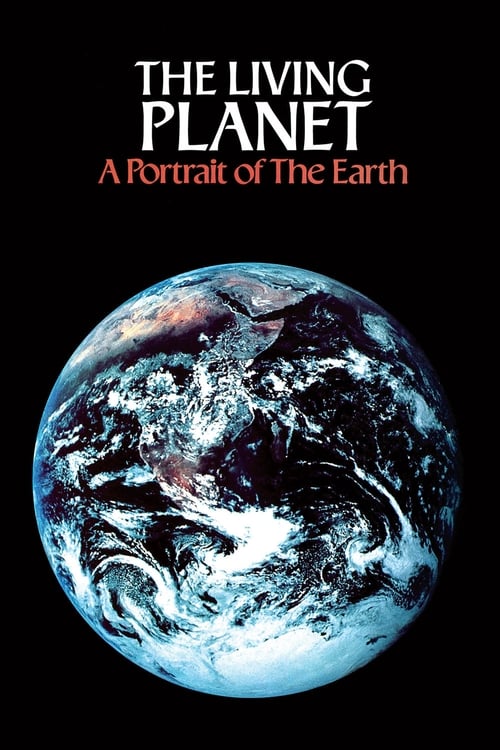
The Living Planet (1984)
The Living Planet (1984)
A Portrait of the Earth
David Attenborough examines the ways in which animals and plants adapt to their surroundings.
Release Date:
Duration: 55 min/episode
Status: Ended
Genres: Documentary
Why Watch The Living Planet?
Critically acclaimed with a 8.4/10 rating, The Living Planet delivers an exceptional documentary experience across 2 compelling seasons, featuring outstanding performances from David Attenborough. A proven favorite among Documentary enthusiasts.
Quick Facts About The Living Planet
- Title: The Living Planet
- Release Year: 1984
- Type: TV Series
- Rating: 8.4/10 (26 votes)
- Genres: Documentary
Discover The Living Planet Streaming
Looking for where to watch The Living Planet online? You're in the right place! On PokMovies, you'll find all the information about The Living Planet streaming, including where to watch it legally, the full cast, user reviews, and the official trailer.
Released in 1984, The Living Planet belongs to the genres Documentary and has received a rating of 8.4/10 on The Movie Database with 26 user votes.
This TV series, completed, has 2 seasons. With episodes of about 55 minutes, The Living Planet offers you a viewing experience that is exceptional and has won over many series fans.
Seasons and Episodes
The Building of the Earth
This episode covers how the various land masses of the earth were formed, including discussion of tectonic plates, faults, volcanos and other such forces. Also discusses how flora and fauna adapt to these sorts of environments as they currently exist. Includes visits to the Himalayas, Mount St Helens & Krakatoa.
The Frozen World
This episode covers the life that exists in frozen areas of the world such as high up in the mountains, and in the Arctic and Antarctic. This episode also discusses how plants and animals adapt to extremes of temperature, for example where there are very cold nights and extremely hot days. Includes coverage of algae, insects, sheep, squirrels, seals, penguins, foxes, polar bears, lemmings, owls, caribou, geese, Eskimo and much more. Places visited include Kenya, South America and USA.
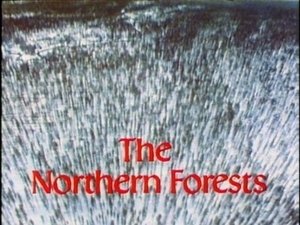
The Northern Forests
This episode covers the great coniferous forests which ring the earth just below the Arctic ice in the north. Also covers other temperate forests such as the redwood, sequoia and pine forest. Life forms covered include birds, squirrels, moose, owls, lynx, wolverines, woodpeckers, shrews, voles, deer, bears, chipmunks, salamanders, ducks, snakes and fungi.
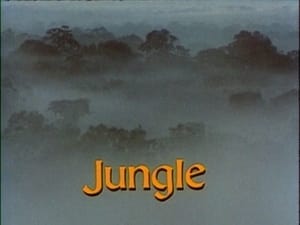
Jungle
This episodes focuses on the equatorial jungles all around the world and the incredible array of life which inhabits them. Goes through the various levels of the jungle, including above the canopy, in the canopy, between the canopy and the ground and on the rainforest floor. Includes eagles, insects, monkeys, bats, frogs, gliding snakes, squirrels, macaws, various parasites, dancing birds, jaguars and the native people who inhabit rainforests.
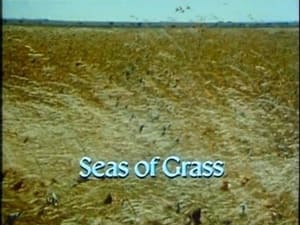
Seas of Grass
This episode covers the wide, sweeping savannah lands which are much drier than the forest but still support an amazing array of life. Includes anteaters, insects, armadillos, birds, deer, tapir, lizards, wolves, crocodiles, turtles, capybara, frogs, gophers, prairie dogs, bison, coyote, antelope, giraffes, gazelle, lions, cheetah, monkeys, elephants, wildebeest, impala, zebras and the native peoples who live alongside them. Areas visited include Africa, North & South America and Asia.
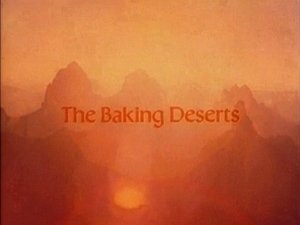
Baking Deserts
This episode looks at the driest parts of the earth, the deserts, and reveals the life which exists there despite the heat and lack of water. Also discusses how the deserts developed and why. Animals included are hyenas, foxes, jerboa, lizards, native cats, gerbils, scorpions, spiders, wolves, turtles, lizards, birds, plants, frogs, snakes, lizards, moles and the ship of the desert, the camel. Covers the effects of rain, how creatures live in sand dunes and the ecosystems in oases.
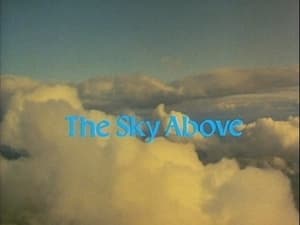
The Sky Above
This episode focuses on life above the earth, including animals which can actually fly and other which have the ability to glide or at least fall gracefully. Includes discussion of how birds actually fly including take-off and using thermals and other wind currents. Also includes a trip by hot air balloon to the end of the earth's atmosphere, 5 miles above the ground. Also includes information about how some creatures use gravity to their advantage. Includes insects, floating seeds, flying spiders, gliding frogs, geckos, lizards and squirrels; and many varieties of birds including the diving birds and bats.
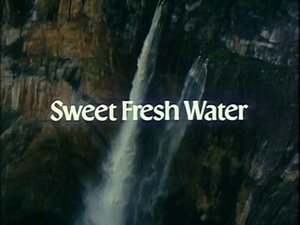
Sweet Fresh Water
This episode covers life in streams, puddles, lakes and rivers including the various stages of the development of rivers from their headwaters right through to the deltas. Also covers the effects of silt, erosion, rocks, waterfalls and other natural features. Includes larvae, water birds, reptiles, fish, pelicans, cormorants, snakes, fresh-water seals, otters, crocodiles, turtles and much more.
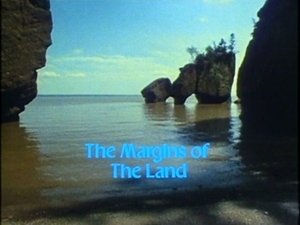
The Margins of the Land
This episode focuses on coastlines including mud flats, mangrove swamps, rock pools and beaches. Creatures included are insects, crustaceans, worms, deer, boar, mud skippers, crabs, water birds, otters, crocodiles, sea urchins, anemones, starfish, mussels, mollusks and the magnificent sea turtles and their nesting habits.
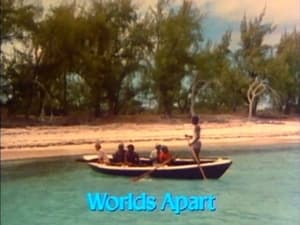
Worlds Apart
This episode covers the habitats which are so remote and cut off from the rest of the world that they develop very specific sets of flora and fauna. These include a remote island 250 miles off the coast of Africa in the Indian Ocean, coral atolls, islands in Indonesia, Hawaii, Easter Island and New Zealand. Covers such diverse life forms as coral, crabs, tortoises, giant floating seeds, flightless birds, the dodo, Komodo Dragons, birds and insects which live in volcanic wastelands, tuataras, kiwi, moas, kea and the effects on them of feral cats. Includes discussion of how these animals arrived in these remote locations initially and how they have adapted to suit their habitat.
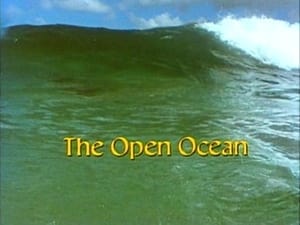
The Open Ocean
This episode focuses on the oceans, both in terms of their geography and their ecology. Discusses the various forms that the ocean floor takes including trenches, mountains and plains. From a life perspective this episode includes deep ocean creatures, plankton, anemone, crabs, rays, sharks, tuna, dolphins, narwhals, whales, walrus, seals, fish of all kinds, ducks, sea dragons, cuttlefish. From a specific habitat perspective many types including kelp forest, coral atolls, underwater deserts, the Sargasso sea, the gulf stream and the grand banks. The effect commercial fishing is having is called into question.
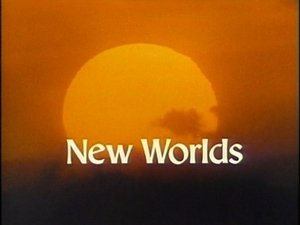
New Worlds
This episode explores the effect man has had and is having on the natural environment and the effect nature has on man. Includes domesticating animals, clearing forests, introducing different species, farming development and techniques. The episode also covers animals that live in cities and other urban environments and the effects of pollution, over-fishing, short sighted decisions and the ever-growing population of man.
Season Ratings
Main Cast

Streaming Platforms for The Living Planet
Trailer
Frequently Asked Questions (FAQ) about The Living Planet
Where can I watch The Living Planet streaming?
You can watch The Living Planet on various streaming platforms in the US: Check availability on major US streaming platforms like Netflix, Amazon Prime Video, Disney+, and other legal services.
Is The Living Planet available in English (dubbed/subtitled)?
Yes, The Living Planet is available with English audio and subtitles on most streaming platforms. Please check the availability of English dubbing on your preferred platform.
What is the plot of The Living Planet?
David Attenborough examines the ways in which animals and plants adapt to their surroundings.
Who are the main actors in The Living Planet?
The main cast of The Living Planet includes: David Attenborough
What is the rating of The Living Planet?
The Living Planet has received a rating of 8.4/10 based on 26 user votes.
Explore similar content:
Reviews and Comments for The Living Planet
No public comments have been posted about this TV series yet. Be the first to share your opinion!
Add a Comment
Log in or create an account to add a comment.


💬 Have you seen The Living Planet?
Share your opinion! User reviews help us create the best community of movie and TV series enthusiasts in the US.
Sign up now to leave your review and help other users discover new content to watch!