
PokMovies your movie and series manager
Log in to add movies and series to your personal list
Details for Every Frame a Painting
Every Frame a Painting (2014) - TV Series Streaming, Cast & Reviews
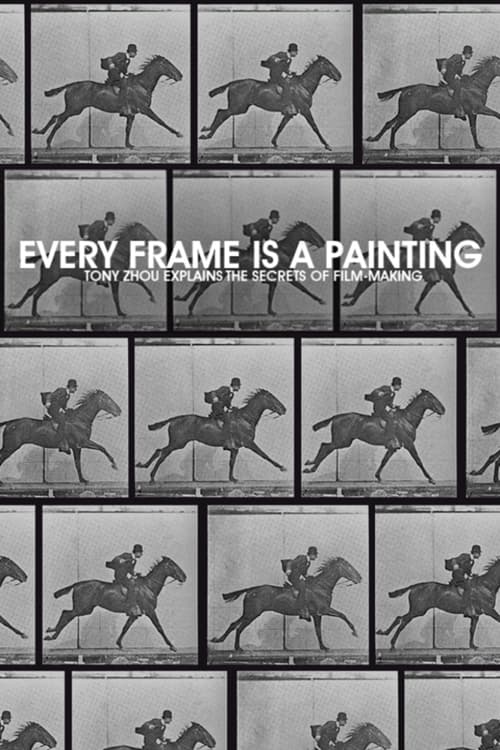
Every Frame a Painting (2014)
Every Frame a Painting (2014)
Every Frame a Painting is dedicated to the analysis of film form.
Release Date:
Duration: 7 min/episode
Status: Ended
Genres: Documentary
Why Watch Every Frame a Painting?
Critically acclaimed with a 8.7/10 rating, Every Frame a Painting delivers an exceptional documentary experience across 4 compelling seasons, featuring outstanding performances from Tony Zhou. A proven favorite among Documentary enthusiasts.
Quick Facts About Every Frame a Painting
- Title: Every Frame a Painting
- Release Year: 2014
- Type: TV Series
- Rating: 8.7/10 (6 votes)
- Genres: Documentary
Discover Every Frame a Painting Streaming
Looking for where to watch Every Frame a Painting online? You're in the right place! On PokMovies, you'll find all the information about Every Frame a Painting streaming, including where to watch it legally, the full cast, user reviews, and the official trailer.
Released in 2014, Every Frame a Painting belongs to the genres Documentary and has received a rating of 8.7/10 on The Movie Database with 6 user votes.
This TV series, completed, has 4 seasons. With episodes of about 7 minutes, Every Frame a Painting offers you a viewing experience that is exceptional and has won over many series fans.
Seasons and Episodes
Mother (2009) - Telephoto Profile Shots
A brief analysis of one aspect of Bong Joon-ho's great film Mother (2009). WARNING: MAJOR SPOILERS. For educational purposes only.
The Imposter (2012) - Looking into the Lens
A brief analysis of Bart Layton's The Imposter (2012). WARNING: SPOILS EVERY GODDAMN THING.
The Spielberg Oner - One Scene, One Shot
One overlooked aspect of Spielberg is that he's actually a stealth master of the long take. From Duel to Tintin, for forty years, he has sneakily filmed many scenes in a single continuous shot.

Wolf Children (2012) - The Lateral Tracking Shot
Looking for a unique lateral tracking shot? Consider this example from Mamoru Hosoda's excellent film Wolf Children (2012). NO SPOILERS.
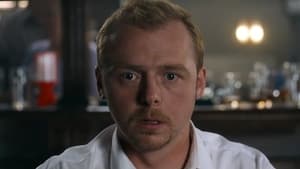
Edgar Wright - How to Do Visual Comedy
If you love visual comedy, you gotta love Edgar Wright, one of the few filmmakers who is consistently finding humor through framing, camera movement, editing, goofy sound effects and music. This is an analysis and appreciation of one of our finest comedic voices.
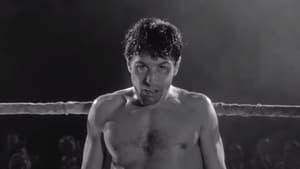
Martin Scorsese - The Art of Silence
Even though Martin Scorsese is famous for his use of music, one of his best traits is his deliberate and powerful use of silence. Take a glimpse at fifty years of this simple technique from one of cinema's masters. SPOILERS for Shutter Island (2010), Superman (1978) and Man of Steel (2013)
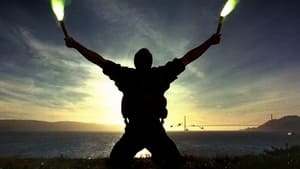
Michael Bay - What is Bayhem?
There are filmmakers we love and then there's Michael Bay. Even if you dislike him (as I do), Bay has something valuable to teach us about visual perception. This is an exploration of "Bayhem" — his style of camera movement, composition and editing that creates something overblown, dynamic and distinct.
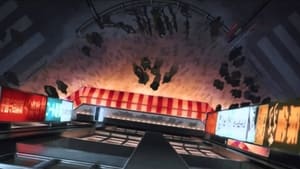
Satoshi Kon - Editing Space & Time
Four years after his passing, we still haven't quite caught up to Satoshi Kon, one of the great visionaries of modern film. In just four features and one TV series, he developed a unique style of editing that distorted and warped space and time. Join me in honoring the greatest Japanese animator not named Miyazaki.
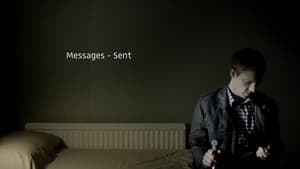
A Brief Look at Texting and the Internet in Film
Is there a better way of showing a text message in a film? How about the internet? Even though we’re well into the digital age, film is still ineffective at depicting the world we live in. Maybe the solution lies not in content, but in form.
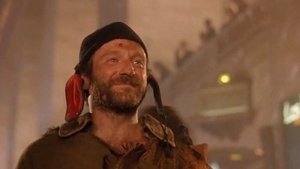
Robin Williams - In Motion
Robin Williams was a genius, but he was also a dedicated craftsman who explored how an actor could express character through movement. Join me in honoring this tiny facet of his work.
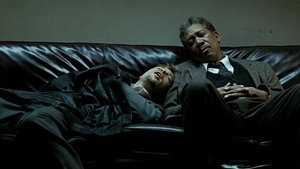
David Fincher - And the Other Way is Wrong
For sheer directorial craft, there are few people working today who can match David Fincher. And yet he describes his own process as “not what I do, but what I don’t do.” Join me today in answering the question: What does David Fincher not do?
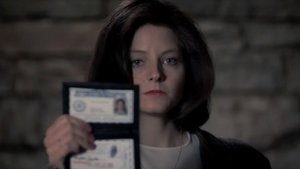
The Silence of the Lambs - Who Wins the Scene?
In drama, two characters walk into a room. Each wants something from the other. The question of the scene is: who gets what they want?
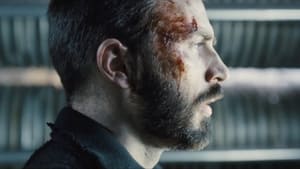
Snowpiercer - Left or Right
Characters make choices which they cannot take back. The question is: how do you show it visually? Here’s one solution from Snowpiercer. Warning: SPOILS ENTIRE FILM.
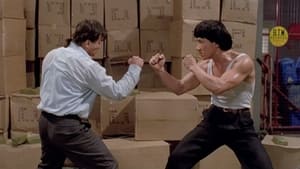
Jackie Chan - How to Do Action Comedy
Some filmmakers can do action. Others can do comedy. But for 40 years, the master of combining them has been Jackie Chan. Let’s see how he does it. The 9 Principles of Action Comedy 1. Start with a DISADVANTAGE 2. Use the ENVIRONMENT 3. Be CLEAR in your shots 4. Action & Reaction in the SAME frame 5. Do as many TAKES as necessary 6. Let the audience feel the RHYTHM 7. In editing, TWO good hits = ONE great hit 8. PAIN is humanizing 9. Earn your FINISH
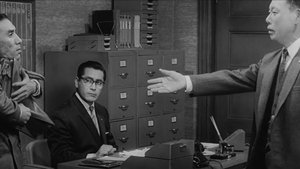
The Bad Sleep Well (1960) - The Geometry of a Scene
One of Akira Kurosawa’s many gifts was staging scenes in ways that were bold, simple and visual. I’m working on a longer essay about him and this piece didn’t make the cut, so I’m releasing it as a short standalone video.
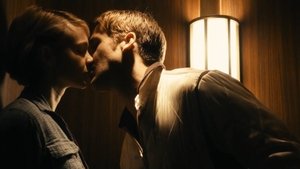
Drive (2011) - The Quadrant System
One of the many pleasures of Nicolas Winding Refn’s “Drive” (2011) is that the shots feel both tightly composed and weirdly unpredictable. Even though most of the images follow a simple quadrant system, Refn puts plenty of subtle touches within the frame.
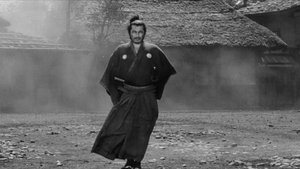
Akira Kurosawa - Composing Movement
Can movement tell a story? Sure, if you’re as gifted as Akira Kurosawa. More than any other filmmaker, he had an innate understanding of movement and how to capture it onscreen. Join me today in studying the master, possibly the greatest composer of motion in film history.
F For Fake (1973) - How to Structure a Video Essay
If you want to make video essays, there’s no better film to study than Orson Welles’ 1973 masterpiece, F for Fake. There are a million lessons to take away from it, but today, let’s see what it has to teach us about structure. NO SPOILERS.
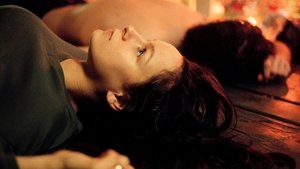
Lynne Ramsay - The Poetry of Details
What can one detail tell us about a scene? If you’re Lynne Ramsay: absolutely everything. Today I consider the poetic possibilities of cinema and one of our finest contemporary filmmakers.
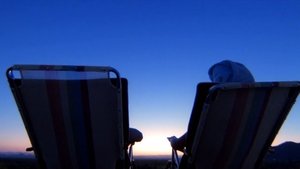
In Praise of Chairs
One of the great things about detailed production design is that it pays off in unexpected ways. So today I explore the weird possibilities of that most common of objects: the chair.
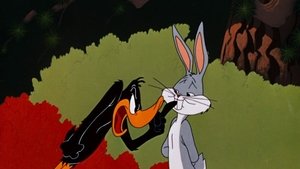
Chuck Jones - The Evolution of an Artist
If you grew up watching Looney Tunes, then you know Chuck Jones, one of all-time masters of visual comedy. Normally I would talk about his ingenious framing and timing, but not today. Instead, I’d like to explore the evolution of his sensibilities as an artist.
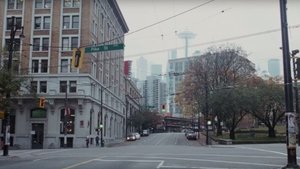
Vancouver Never Plays Itself
Perhaps no other city has been as thoroughly hidden from modern filmmaking as Vancouver, my hometown. Today, it’s the third biggest film production city in North America, behind Los Angeles and New York. And yet for all the movies and TV shows that are shot there, we hardly ever see the city itself. So today, let’s focus less on the movies and more on the city in the background.
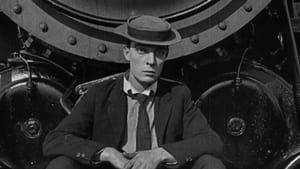
Buster Keaton - The Art of the Gag
Before Edgar Wright and Wes Anderson, before Chuck Jones and Jackie Chan, there was Buster Keaton, one of the founding fathers of visual comedy. And nearly 100 years after he first appeared onscreen, we’re still learning from him. Today, i’d like to talk about the artistry (and the thinking) behind his gags.
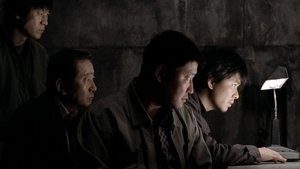
Memories of Murder (2003) - Ensemble Staging
How do you emphasize to the audience that something is important? Well, you could always cut to a close-up, but how about something subtler? Today I consider ensemble staging — a style of filmmaking that directs the audience exactly where to look, without ever seeming to do so at all. NO SPOILERS. Eight Ways to Get the Audience to Look at a Character: 1) Let Them Speak 2) Make Them Brighter or Bring Them Closer 3) Let Them Move (Especially Hands or Eyes) 4) Put Them in the Center of Frame 5) Turn Them Towards the Lens 6) Separate Them from the Group 7) Isolate Them by Moving the Camera 8) Have Other People Look at Them
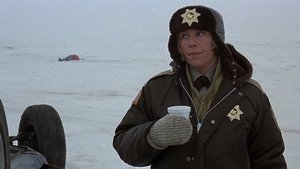
Joel & Ethan Coen - Shot | Reverse Shot
How do you film a conversation? Most likely, you’re going to block the actors, set up the camera, and do shot/reverse shot. But where do you put the camera? What lens do you use? And how do you cut back and forth? Today, I consider the Coen brothers — Joel & Ethan — and see how these choices lend a particular feel to their version of shot/reverse shot.
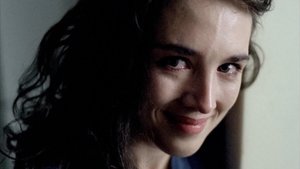
How Does an Editor Think and Feel?
For the past ten years, I’ve been editing professionally. Yet one question always stumps me: “How do you know when to cut?” And I can only answer that it’s very instinctual. On some level, I’m just thinking and feeling my way through the edit. So today, I’d like to describe that process: how does an editor think and feel?
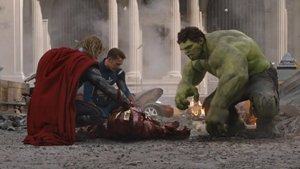
The Marvel Symphonic Universe
Off the top of your head, could you sing the theme from Star Wars? How about James Bond? Or Harry Potter? But here’s the kicker: can you sing any theme from a Marvel film? Despite 13 films and 10 billion dollars at the box office, the Marvel Cinematic Universe lacks a distinctive musical identity or approach. So let’s try to answer the question: what is missing from Marvel music?
Season Ratings
Main Cast

Streaming Platforms for Every Frame a Painting
Trailer
Frequently Asked Questions (FAQ) about Every Frame a Painting
Where can I watch Every Frame a Painting streaming?
You can watch Every Frame a Painting on various streaming platforms in the US: Check availability on major US streaming platforms like Netflix, Amazon Prime Video, Disney+, and other legal services.
Is Every Frame a Painting available in English (dubbed/subtitled)?
Yes, Every Frame a Painting is available with English audio and subtitles on most streaming platforms. Please check the availability of English dubbing on your preferred platform.
What is the plot of Every Frame a Painting?
Every Frame a Painting is dedicated to the analysis of film form.
Who are the main actors in Every Frame a Painting?
The main cast of Every Frame a Painting includes: Tony Zhou
What is the rating of Every Frame a Painting?
Every Frame a Painting has received a rating of 8.7/10 based on 6 user votes.
Explore similar content:
Reviews and Comments for Every Frame a Painting
No public comments have been posted about this TV series yet. Be the first to share your opinion!
Add a Comment
Log in or create an account to add a comment.



💬 Have you seen Every Frame a Painting?
Share your opinion! User reviews help us create the best community of movie and TV series enthusiasts in the US.
Sign up now to leave your review and help other users discover new content to watch!