
PokMovies your movie and series manager
Log in to add movies and series to your personal list
Details for Time Team
Time Team (1994) - TV Series Streaming, Cast & Reviews
Time Team (1994)
Time Team (1994)
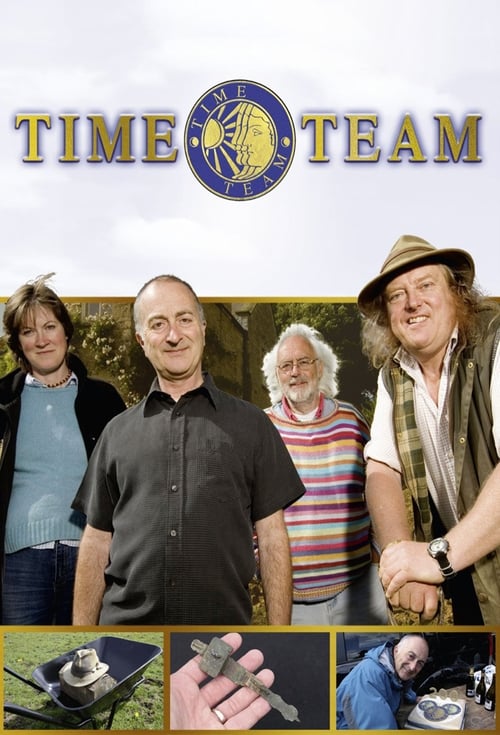
Time Team is a British television series which has been aired on British Channel 4 from 1994. Created by television producer Tim Taylor and presented by actor Tony Robinson, each episode featured a team of specialists carrying out an archaeological dig over a period of three days, with Robinson explaining the process in layman's terms. This team of specialists changed throughout the series' run, although has consistently included professional archaeologists such as Mick Aston, Carenza Lewis, Francis Pryor and Phil Harding. The sites excavated over the show's run have ranged in date from the Palaeolithic right through to the Second World War.
Release Date:
Duration: 50 min/episode
Status: Currently airing
Genres: Documentary Mystery
Why Watch Time Team?
Highly rated by audiences with 7.1/10, Time Team delivers an exceptional documentary experience across 22 compelling seasons, featuring outstanding performances from Gus Casely-Hayford and Natalie Haynes. A proven favorite among Documentary, Mystery enthusiasts.
Quick Facts About Time Team
- Title: Time Team
- Release Year: 1994
- Type: TV Series
- Rating: 7.1/10 (14 votes)
- Genres: Documentary, Mystery
- Available On: Amazon Prime Video, Magellan TV, Amazon Prime Video with Ads, Xive TV Documentaries Amazon Channel
Discover Time Team Streaming
Looking for where to watch Time Team online? You're in the right place! On PokMovies, you'll find all the information about Time Team streaming, including where to watch it legally, the full cast, user reviews, and the official trailer.
Time Team is available on: Amazon Prime Video, Magellan TV, Amazon Prime Video with Ads, Xive TV Documentaries Amazon Channel . Choose your preferred platform and start watching this TV series in high quality right now.
Released in 1994, Time Team belongs to the genres Documentary, Mystery and has received a rating of 7.1/10 on The Movie Database with 14 user votes.
This TV series, currently airing, has 22 seasons. With episodes of about 50 minutes, Time Team offers you a viewing experience that is exceptional and has won over many series fans.
Seasons and Episodes
The Guerrilla Base of the King - Athelney, Somerset
In this first ever episode of Time Team, Tony and the team travel to Athelney in Somerset to investigate a series of hills (once islands in a bog) that became Alfred The Great last defensive positions after a series of losses to invading Viking forces. It is also the place Alfred began the great rally that saw him re-conquer most Wessex and laid the foundations of the nation that was to become England.
On the Edge of an Empire - Ribchester, Lancashire
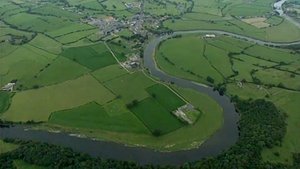
Ribchester in Lancashire has been known for some time as a site of a Roman fort. The Time Team arrive in the town to answer two questions, one is to consolidate all the previous excavations on the site, and the second to define the outline of a possible older wooden fort that is thought to have been in the area.
The New Town of a Norman Prince - Much Wenlock, Shropshire
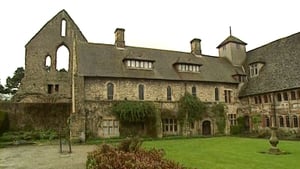
The Time Team go to the small town of Much Wenlock, after they receive a letter from a resident explains a recent excavation uncovered possibly the oldest house in the town. What they discover is the remains of an old Saxon village transitioning into a larger newer Norman settlement.
The Fortress in the Lake - Llangorse Lake, Powys
The Time Team travel to Brecon Beacons in Wales, they have come to investigate a small man-made island in Llangorse Lake. Locals tell many strange legends including hearing the sounds of Church bells echoing across the body of water at night. The Team want to know who built the island and try to find evidence to support the stories of it eventual fall into disuse.
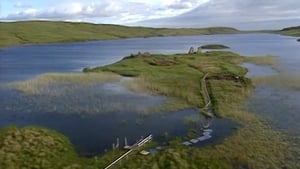
Lord of the Isles - Finlaggan, Islay
The Time Team travel to a group of islands on the western side of Scotland to investigate a culture known as the "Lords of the Isls" - who ruled the islands 1000 years ago. The team joins a group from the Scottish National University who've been working in the area for some five years uncovering the history of these people. What the Time Team discovers throws the whole excavation into a new light and suggests people may have lived in the area thousands of years prior.
The Saxon Graves - Winterbourne Gunner, Wiltshire
The Time Team visit Hylton Castle near Sunderland. A local group want to redevelop the local area as a tourist attraction but don't want to disturb any hidden structures.
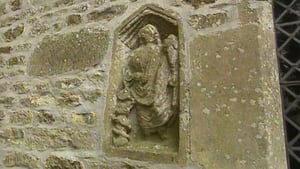
The Lost Villa - Tockenham, Wiltshire
Tockenham village, in the Wiltshire countryside. Despite the fact that there are no Roman remains in Tockenham, the village's 15th century church, St Giles, has a small pagan Roman statue embedded in one of its outer walls.
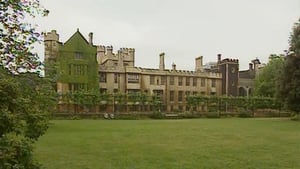
The Archbishop's Back Garden - Lambeth Palace, London
The Time Team traveled to Lambet Palace in the heart of London. They are trying to unravel the enigma of why the Romans crossed the Thames in a different area to where they developed the city. The team needs to employ some extreme archeology to try an understand what the Romans where thinking.
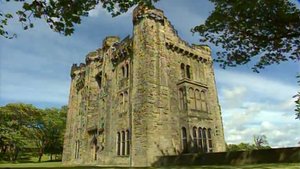
Medieval Dining Hall - Hylton Castle, Sunderland
The Time Team travel to Winterbourne Gunner in Wiltshire to investigate a housing development that has come to a halt because of an alarming number of Saxon graves found in the area They successfully work their way through the maze of finds but in doing so discover what seems to be a whole new layer of history in the town.
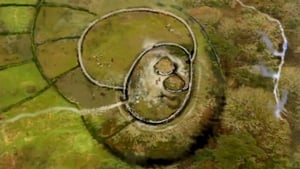
Prehistoric Fogou - Boleigh and Treveneague, Cornwall
Recorded between 17 and 19 March 1995, the team try to discover what a 2000-year-old underground chamber (fogou) beneath Jo May's garden was used for. Dowser Hamish Miller shows the extent of the fogou beneath the lawn, and Tony tries his hand at dowsing. But Mick is skeptical, preferring to rely on the geophysical survey. They are also trying to find the Iron Age settlement that would have adjoined the fogou. Joining the team are archaeological geophysicist Susan Ovenden, and county archaeologist Nick Johnson. The programme includes an experiment in extracting pure tin from the local stream.
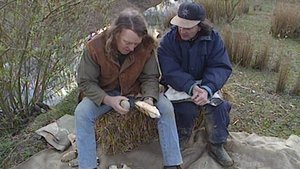
Hunting for Mammoth - Stanton Harcourt, Oxfordshire
Recorded between 21 and 23 April 1995, in this episode the team go to a gravel pit that is soon to become landfill, where they attempt to unearth 200,000-year-old remains of mammoths and other prehistoric animals. Gravel pits are typical sites for paleolithic remains. But the chances of finding evidence of any prehistoric peoples are remote. Joining the team are Christine Buckingham, Kate Scott, and palaeontologist Russell Coope. Wood anatomist Rowena Gale tries to match ancient and modern wood samples For this episode the team are joined by archaeologist Kate Scott and geologist Christine Buckingham.
Village of the Templars - Templecombe, Somerset
Recorded between 26 and 28 May 1995. A 13th century picture of Christ, strikingly similar to that on the Turin Shroud, has turned up. It's believed to belong to the Knights Templar, a medieval order of monks who gave their name to the village of Templecombe. The team investigate a manor house thought to be on the site of a monastery. What's left of the monastery, and who were the Templars anyway? So far all the evidence seems to be outside the house, where Phil and the team have already dug up pieces of encaustic tile. Carenza and Robin are doing some research among the documents.
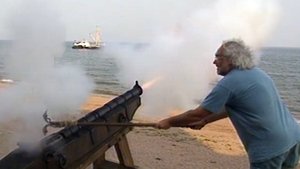
A Wreck of the Spanish Armada - Teignmouth, Devon
Recorded between 30 June and 2 July 1995. 20 years ago a teenage boy discovered a 400-year-old bronze cannon in water close to the south Devon coast. Nobody has yet identified the ship it belonged to. Will there be enough left of the wreck to identify it? As usual, Time Team have only three days to find out. Tony is looking forward to getting into his diving suit. But the team cannot dive until the wreck's archaeological supervisor, Chris Preece, arrives. Meanwhile the wreck's finder, Simon Burton, tells his story. Undeterred by disappointing geophysics results, the divers go ahead with their search in murky water. On land, armoury expert Nicholas Hall demonstrates the cannon. Ultimately Robin comes up with a theory about the ship's origin and purpose.
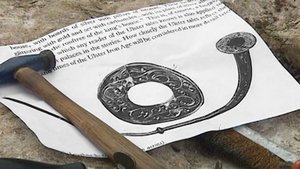
Palace of the Irish Kings - Emain Macha (aka Navan Fort), County Armagh
Recorded between 7 and 9 April 1995, the team are at Emain Macha (aka Navan Fort), County Armagh, where according to Celtic legends three palaces were built. The evidence of two have been found and the team try to find evidence of the third.
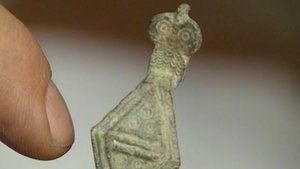
Treasures of the Roman Field - Lavenham, Suffolk
Recorded between 28 and 30 August 1995. The team arrive in a large square field about 20 miles from Colchester. This is an area typically rich in Roman activity. Several remains have previously been dug up, including coins, an elaborate key, and Samian ware. Adrian Thorpe, the farmer, wants to know more. The indications are of a settlement with high status buildings, maybe timber-framed. With recycled fragments of genuine Roman glass, fired up in a homemade furnace, glassblower Ed Iglehart creates an authentic conical beaker. Among hundreds of finds is a metal owl brooch. They are joined by Jude Plouviez from Suffolk County Council, Roman specialist Lindsay Allason-Jones, environmental archaeologist Peter Murphy, and coin specialist Daphne Briggs.
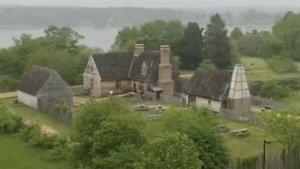
Maryland, USA - St. Mary's City, Maryland, USA
Recorded between 17 and 19 May 1996, the team go to St. Mary's City in Maryland to work with American archaeologists to look for evidence of the city founded by English colonists in 1634. Different archaeological styles between American and British addressed, with the Time Team conducting geophys onsite for the first time. Finds: two buildings, including fort.
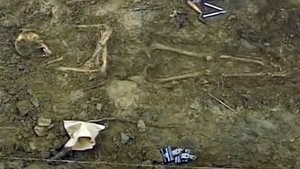
Mystery of the Cornish Skeletons - Launceston, Cornwall
Filmed between 22 and 24 March 1996. A local landowner has discovered human bones while installing water pipes. It is known to be the site of a former leper hospital, and a major crossing between Devon and Cornwall. How much more can Time Team discover about it? Phil uncovers a complete skeleton which has received a Christian burial, and which Osteoarchaeologist Margaret Cox identifies as a young adult female. She also examines the bone fragments for signs of leprosy. Juliet Griffin makes a herbal poultice to dress the lepers' wounds. Robin Bush looks at the 13th century charter granted to the hospital.
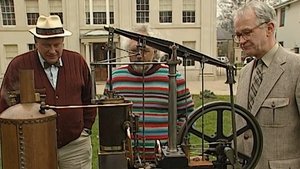
Steam-Powered Mint - Soho, Birmingham
Recorded between 5 and 7 April 1996, this episode sees the team try to discover what remains of Matthew Boulton's Soho Manufactory, an important factory and home to the world's first steam-powered mint, during the Industrial Revolution. They are joined by industrial archaeologist George Demidowicz.
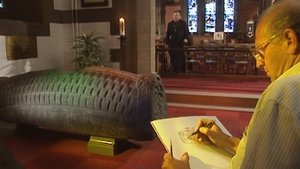
8th Century Church - Govan, Glasgow
Filmed from 14 to 16 June 1996, in this episode the team try to find out why the graveyard of a 19th century church features large tortoise-shaped gravestones dating back to the Dark Ages. The team are joined by Scottish prehistorian Anna Ritchie and archaeologist Steve Driscoll.
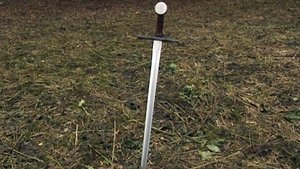
Norman and Medieval Castles - Malton, North Yorkshire
Recorded between 5 and 7 July 1996, the team try to discover a medieval castle and a Jacobean mansion. Barry Scott (bladesmith) makes a sword using traditional techniques, and the Conquest Society demonstrates hand-to-hand combat with authentic armour and chainmail.
Roman Villa - Netheravon, Wiltshire
Filmed from 2 to 4 August 1996, this episode looks for a Roman villa that was first partially discovered 90 years before by William Hawley. Part of the site - a former army barracks - is covered in concrete, which at least protects what is underneath. But as they don't know exactly where the villa is, it could be a problem for both the diggers and the geophysics team. The team are joined by Duncan Coe (county archaeologist), Mark Corney (Roman buildings expert) and Lindsay Allason Jones (Roman finds). At the end of day two Lindsay supervises an al fresco Roman-style meal. By day three they have the bare outline of a very substantial, high-status building complete with mosaic floors and central heating. But then unfortunately the time runs out.
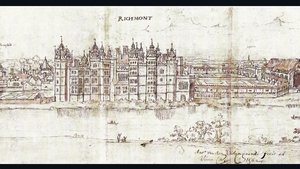
Richmond Palace - Richmond, Surrey
Filmed between 25 and 27 July 1997. The team are camped on an immaculate suburban lawn next to the Thames. They are searching for the now vanished Richmond Palace, site of the death of Elizabeth I. But amazingly nobody is exactly sure of its whereabouts. The first task is to dig up the lawn under the supervision of landscape gardener Martin Whitaker. Immediately they find evidence of a substantial high status Tudor building. They are joined by palaces expert Simon Thurley and local historian John Cloake. Tudor expert Hazel Forsyth shows Carenza how to make a pomander. Plants from the garden are used by Maria Lis-Balchin to brew up some Elizabethan perfume. The property owner was The Baron van Dedem.
Bronze-Age Trackway - Greylake, Somerset
The team go to the Somerset levels in search of a 4,000-year-old wooden trackway. The quickest way to get across the marshes that used to exist here in the Bronze and Iron Ages was across wooden walkways. Now the team hope to find evidence of these footbridges.
Viking Graves - Orkney, Scotland
The team go in search of evidence of the invasion of the Vikings, and its influence on ancient Britain. The team travel to the Orcadian island of Sanday to try to find out whether four mysterious mounds there are evidence of a Viking settlement or even a Viking burial site.
Roman Villa - Turkdean, Gloucestershire
3 days of live excavation. The weekend ended with evidence of a Romano-British villa complex that is one of the largest ever found in Britain. This programme is an edited version of that weekend. They discover that the villa dates from the very first days of the Roman occupation. Amongst their new finds is an entire, untouched Roman water course.
Copper-Age Settlement - Mallorca, Spain
Time Team goes abroad to tackle one of its most challenging sites. They search for evidence of one of the most enigmatic cultures in the world on the Spanish island of Mallorca. The Beaker people flourished in Europe around 4,000 BC, but there is very little evidence of their civilisation, which is thought to have made the first use of metal.
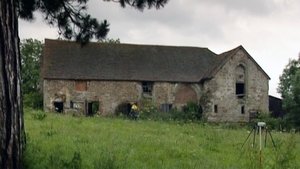
Aston Eyre Farmhouse - Aston Eyre, Shropshire
Filmed between 27 and 29 June 1997, the team go to Shropshire and search for a complex of medieval buildings in Aston Eyre, where the only remaining building is a farmhouse that used to be a gatehouse. They are joined by archaeologist Mark Horton and archivist Paul Stamper. Tree rings expert Dan Miles tries to get some dates from beams in the gatehouse. Ian Pritchett demonstrates a traditional lime kiln. Finds: potential earlier structure found at end of day three, but time ran out before they could determine what it was.
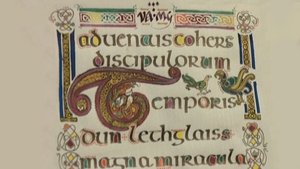
Cathedral Hill - Downpatrick, County Down
Recorded between 19 and 21 February 1997, the team look for the early monastic buildings on Cathedral Hill, where according to legend St. Patrick built a monastery and was buried. They are also digging up medieval finds, including roof tiles and glass, which indicate a high status building. They soon identify the large double ditch which originally enclosed the monastery complex. Victor tries his hand at medieval calligraphy and helps create an illuminated manuscript with a portrait of a familiar face, complete with hat and feather. We also see some vellum making.
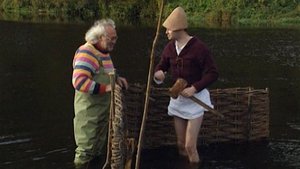
Deserted Medieval Village - High Worsall, North Yorkshire
Filmed between 10 and 12 October 1997, Time Team go to High Worsall, near Middlesbrough, a village that almost completely disappeared hundreds of years ago. Finds: 14th century buildings and manor house, pristine spindle whorl. Experimental demonstration: fishing and cooking caught fish. Also, historians Robin Bush and Dawn Hadley are followed while they research the village and create a timeline.
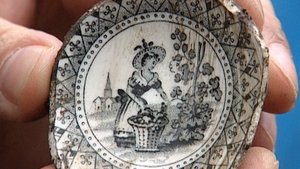
Wedgwood's First Factory - Burslem, Stoke-On-Trent
The Team are in Burslem, Stoke-on-Trent, to investigate what remains of Josiah Wedgwood's first factory and to discover what pottery he was making there. They find evidence of several centuries of potting and bottle kilns, including a time capsule of the pottery of Enoch Wood & Sons. Experimental archaeology: a replica creamware vase.
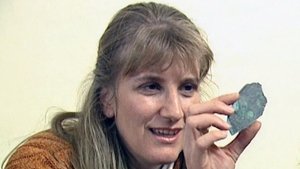
Back Garden Roman Finds - Papcastle, Cumbria
The team are in North West England, investigating Roman finds and a possible Roman building, unearthed in a family's back garden. The house is just 100 metres from a Roman fort, and south-west of the end of Hadrian's Wall. Geophysics are using state-of-the art Swedish radar equipment, to detect foundations beneath two metres of soil. A fragment of bronze mirror hints at a domestic settlement, a vicus, that would have sprung up next to the fort. But the diggers are finding plenty of archaeology, indicating much larger and more organised Roman building, possibly a city. Through the expertise of potter Gilbert Burroughes, the team are going to try to make a Samian ware bowl during the three days. The team are joined by Roman specialist Lindsay Allason-Jones.
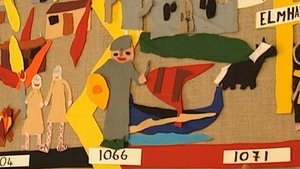
Dominican Friary Church and Norman Cathedral - Thetford, Norfolk
Time Team have been invited by pupils of Thetford Grammar School in Norfolk, to investigate the remains of a Dominican friary church and a 1,000-year-old Norman cathedral, in their playground. There is much interest from the pupils when the team excavate human bones. Ecclesiastical historian Janet Burton describes the origins of the Dominican Order. Stonemason Simon Williams gives a practical demonstration of medieval wall-building using knapped flint and lime mortar. Stained glass expert David King confirms medieval dates for fragments from the friary. The junior school makes a timeline frieze, complete with felt bishops and monks. It all ends in an open evening for parents.
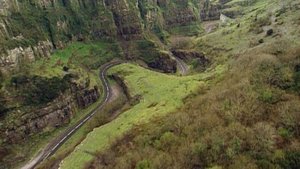
Cooper's Hole - Cheddar Gorge, Somerset
Investigation, at the invitation of the cave's owner, the Marquess of Bath, to see if there is evidence of Palaeolithic human activity in the cave. This may be among the oldest homes in England. The ultimate aim is to get the site scheduled and thus protected from unofficial damage. However it soon becomes clear there is a lot of preparatory work involved. They are joined by palaeontologist Andy Currant, and cave archaeologists Larry Barham and Kate Robson Brown. Caver Malcolm Cotter directs them to a cache of bones; but the tunnel is blocked by sediment from flooding.
Medieval Plympton - Plympton, Devon
In the 12th century many towns were designed and laid out on regular lines. The people of Plympton believe there is enough evidence to plot the layout of the medieval town which surrounds the ruins of their castle, and which was formerly owned by the immensely powerful and wealthy de Redvers family. As usual, Time Team have three days to find it. Back gardens and interiors will provide the clues, rather than frontages which have probably been altered many times in the last 800 years. So they will need plenty of help from local householders. They are joined by Plymouth city archaeologist Keith Ray and dendrochronologist Robert Howard.
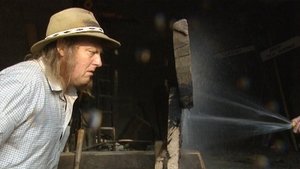
Tudor Dockyard - Smallhythe, Kent
Looking for evidence of a 15th century dock, the team are in Small Hythe. The dock was once next to the mile-wide River Rother but its location is now an overgrown field, ten miles from the sea. And early excavations reveal nothing more recent than wood from a prehistoric forest. Medieval ship expert Ian Friel explains that the dockyard used to have high naval significance, and was visited by Henry V. Woodworker Damian Goodburn uses authentic tools to build a ship's clinker hull. Victor draws the biggest ship ever built here, the Jesus. Using geophysics, John Gater and Sue Ovenden pinpoint the course of the old river. And very soon the finds start to accumulate, revealing the true scale of activity here.
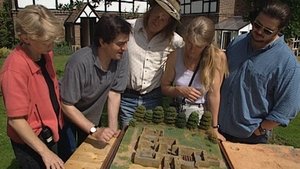
Golf Course Roman Bathhouse - Beauport Park, Sussex
Historian Guy de la Bedoyere asks the team to investigate the isolated ruins of a bath-house, discovered by Gerald Brodribb in the midst of dense Sussex woodland. Gerald has made a scale model of the building, and Guy explains the connection to the Roman navy. After a demonstration of dowsing from Gerald, the team's first task is to clear the land before digging. With ancient technology expert Jake Keen and blacksmith Reg Miles, Phil attempts to smelt iron using a traditional furnace. The team are also joined by archaeometallurgist Gerry McDonnell.
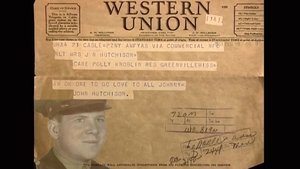
Bombers In Reedham Marshes - Reedham, Norfolk
Time Team team up with air crash investigators to discover what happened to two B-17 bombers which crashed with loss of all lives on board on 21 February 1944 into marshes near Reedham, Norfolk. The airplanes were returning from a bombing raid on a German target as part of the Big Week offensive. Parts of one airplane are recovered, and the Team speak to surviving crew members of a third plane that was in the formation. Experimental archaeology: A piece of nose art painted as a memorial to the bomber crews, painted by a former Red Cross volunteer who had painted some during WWII.
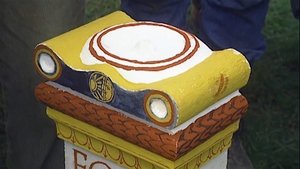
Back To Turkdean - Turkdean, Gloucestershire
Time Team revisit a live dig from 1997, where they found a large Roman complex in a Gloucestershire field. But at the same time, geophysics recorded evidence of more buildings. And so the team have returned to investigate a greatly expanded area. Almost immediately Phil uncovers some impressive looking archaeology. They decide to build a Roman altar with a special inscription. They are rejoined by Roman specialists David Neal and Lindsay Allason-Jones.
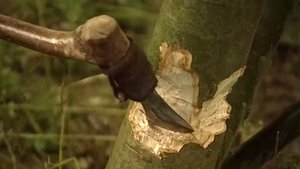
Field Cropmarks - Kemerton, Worcestershire
An aerial survey of a Worcestershire field has revealed cropmarks leading to substantial Bronze Age finds. But Iron Age remains also exist. Time Team tries to sort it out. Local schoolchildren help with a bit of fieldwalking; and Mick shows how cropmarks and posthole marks become visible in fields. Francis Pryor explains the difference between Bronze Age and Iron Age and describes life in a roundhouse. Also joining the team are archaeologist Malcolm Atkin and environmentalist Liz Pearson; while wood specialist Guy Apter gets the kids to help make a Bronze Age ard (plough).
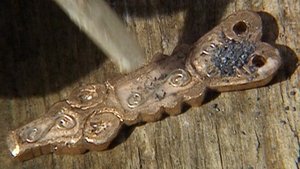
Ruined Norman Church - Bawsey, Norfolk
This live dig centres on a ruined Norman church on a hill in Norfolk. This National Trust site promises to be the richest source of finds that Time Team have yet seen, with previous evidence of human occupation from most periods in antiquity. This requires several trenches, including the longest one that Time Team have ever dug. They start with some fieldwalking and metal detectoring, before digging in earnest. Among many finds are a bronze age arrow head, a medieval tiled floor, coins and several well-preserved skeletons. One skull shows clear evidence of having been brutally slaughtered by a swordsman on horseback. The team are joined by Helen Geake, Neil Holbrook, Andrew Rogerson, pottery expert Paul Blinkhorn, osteoarchaeologist Margaret Cox, and historian John Blair. Celebrities Sandi Toksvig and Hugh Fearnley-Whittingstall also drop in. Hugh and Victor help Saxon re-enactor Russell Scott to recreate a bronze artefact from scratch.
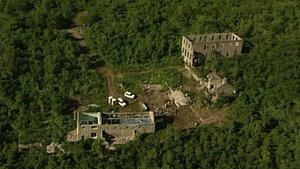
Montravers Estate (Part 1) - Nevis, West Indies
Invited by historian David Small, the team are on the tiny Caribbean island of Nevis, for a six-day dig to uncover the history of sugar production and slavery here. They are investigating a particular plantation, Montravers Estate, now overgrown, originally owned by wealthy 18th century Bristolean John Prater Pinney. Robin visits Bristol University, researching the extensive documentation. Back on Nevis, pottery expert David Barker is shown pottery sherds, most of which he dates to the 1840s. Phil crosses to neighbouring St. Kitts, to help make sugar from sugar cane. Sugar would have been extracted in a mill operated by teams of oxen. Molasses, the byproduct of sugar processing, was fermented to make rum. In the jungle Stewart searches for a slave village. They are also joined by local historian David Rollinson.
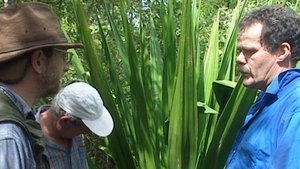
Montravers Estate (Part 2) - Nevis, West Indies
Invited by historian David Small, the team are on the tiny Caribbean island of Nevis, for a six-day dig to uncover the history of sugar production and slavery here. They are investigating a particular plantation, Montravers Estate, now overgrown, originally owned by wealthy 18th century Bristolean John Prater Pinney. Robin visits Bristol University, researching the extensive documentation. Back on Nevis, pottery expert David Barker is shown pottery sherds, most of which he dates to the 1840s. Phil crosses to neighbouring St. Kitts, to help make sugar from sugar cane. Sugar would have been extracted in a mill operated by teams of oxen. Molasses, the byproduct of sugar processing, was fermented to make rum. In the jungle Stewart searches for a slave village. They are also joined by local historian David Rollinson.
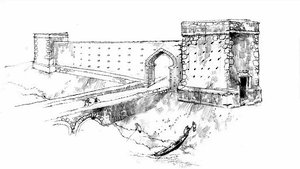
A Muslim Port In Spain - Denia, Spain
1000 years ago, the port of Denia on the Costa Blanca used to be a thriving Islamic outpost in medieval Europe, before being Christianised in 1242. During this period Spain benefitted from a sophisticated Arab culture, including maths, astronomy and art. Members of Time Team are here to help with a major dig, before the site is redeveloped. They are particularly hoping for evidence of Islamic pottery and burials. Bone specialist Jackie looks at the many skeletons that have already been discovered. Phil has been invited to do a spot of scuba diving, all in the line of duty. Moroccan chef Mustapha Saaida tempts Carenza with some authentic spice-laden 900-year-old dishes, with ingredients from the local market. Mick "the Dig" is helping to uncover a kiln complete with pottery sherds. Victor sketches a complete landscape of the old town.
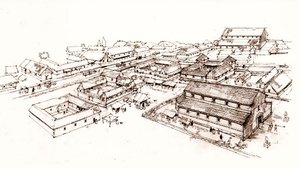
The Mosaic at the Bottom of the Garden - Cirencester, Gloucestershire
In 300 A.D. Corinium Dobunnorum was England's wealthiest city next to Londinium. Now it's the pleasant Gloucestershire town of Cirencester, and Time Team are visiting the leafy suburban Chester Street, where they hope the back gardens will yield clues about the bustling Roman city and its main highway, Ermine Street. Could a Roman temple have occupied this site - or even rarer, an early Christian church? They need to knock on a few doors to ask about digging up their plots. There is a bottle of champagne for anybody who can find a tessellated pavement. They are joined by Roman architectural historian Tom Blagg, coin expert Richard Reece and mosaic expert David Neal. The Ermine Street Guard offer Tony venison stew, and use a wooden crane to erect a stone column, fashioned by mason Giles MacDonald. In the public presentation, Stewart outlines a picture of the whole city, ably assisted by Victor's drawing. Among many Roman finds are coins, a brooch, a spoon and a bone die.

One of the First Spitfires Lost in France - Wierre-Effroy, France
On 23 May 1940 a Spitfire (P9373) flown by RAF pilot Paul Klipsch crashed into a field in Wierre-Effroy, France. Time Team, in concert with WWII aircraft historians and air crash investigator Steve Moss, try to find out what happened. They are joined by Klipsch's stepbrother, who last visited France on D-Day. Several residents of the village remember seeing the air battle and the crash, and Group Captain Allan Wright, who was flying in the same formation as Klipsch, comes along to help the investigation. The Spitfire wreckage is recovered, and investigation shows that Gunther Specht, flying a Messerschmitt Bf 110, shot down P9373. Experimental archaeology: Phil learns to repair a Spitfire wing flap with rudimentary tools.
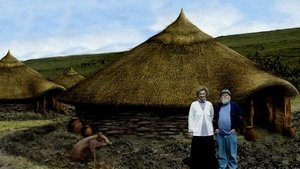
An Iron-Age Roundhouse and a Henge - Waddon, Dorset
Time Team are doing a spot of gardening. Residents have presented them with evidence of historical activity, in the form of pottery shards and lumps and bumps in the landscape. While Victor sketches out possible buildings, Stewart tries to make sense of the trackways and earthworks in this spectacular landscape overlooking Portland Bill. Could there be a 4,000-year-old henge here? Back in Phil's trench in the garden, the first clear signs of a roundhouse emerge. Carenza helps potter Jim Newbolt to make and fire a collection of replica Iron Age and medieval pots.
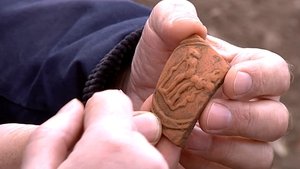
Hadrian's Wall - Birdoswald, Cumbria
The team carry out the first-ever excavation of a cemetery at a Roman fort. This one is a World Heritage Site on Hadrian's Wall, delineating Roman Britain's northern boundary. Dead soldiers would have been cremated, and Jackie makes an experimental funeral pyre with cuts of meat. Unfortunately a downpour extinguishes the flames; but a second attempt succeeds. Stewart is more interested in the erosion of the land, which may have been caused by flooding or an earthquake. After some frustrating dead ends, they eventually piece together a plausible description of the site, recovering some interesting finds before time runs out on the third day. They are joined by site director Tony Wilmott and Roman finds expert Lindsay Allason-Jones.
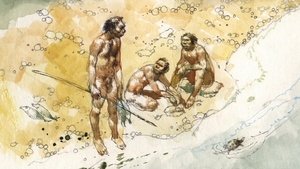
In Search of the Earliest Traces of Mankind - Elveden, Suffolk
Beneath a modern holiday village in Suffolk lies evidence of early Stone Age activity, 400,000 years ago. Human remains from this period in England are exceedingly rare, but the team hope to find animal and plant debris. They will have to dig deep. They are joined by palaeontologists Simon Parfitt and Andy Currant from the Natural History Museum. Andy explains the importance of voles in dating such early material.
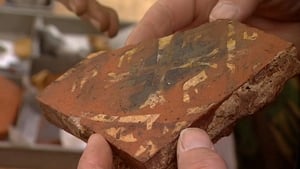
The Missing Cathedral and the Diabetic Prior - Coventry, West Midlands
Coventry's modern cathedral replaced the old cathedral, bombed to destruction by the Luftwaffe in World War II. A 3rd cathedral, St. Mary's, was also a Benedictine priory, demolished in the 16th century by Henry VIII. The building's destruction is explained. Tony gets a guided tour of Coventry's sister cathedral at Lichfield, by historian Richard Morris. Glass technician Colin Telford creates a stained glass panel. Meanwhile beautiful patterned floor tiles start to emerge, along with rose- and grape-shaped ceiling bosses. Phil uncovers a huge pier which would support the entire roof, though the spire would be wood rather than stone. And at the very end of day 3, they uncover a stone-lined tomb, which has to be completely excavated; so uniquely the dig extends into a 4th day. They are joined by osteoarchaeologist Margaret Cox.
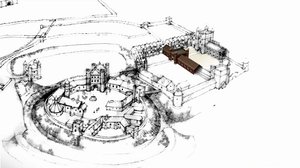
The Royalists' Last Stand - Basing House, Hampshire
Basing House in Hampshire, owned by the Paulet family was once one of the largest private homes in Britain until besieged and destroyed in the English Civil War. Most of the ruins are a Protected Ancient Monument, but Time Team is permitted to dig on the edge of where the Basingstoke Canal once cut through the ruins, and they find evidence of the final assault in 1645. Meanwhile, in a field across the road, it appears that Charles Paulet built a hunting lodge around 1690, but the field is the site of centuries of building and tearing down, and the archaeology is so confusing three days are not enough to work everything out. The English Civil War Society come to re-enact the siege of Basing House, setting up camp in the Great Barn where the original besiegers camped. They show how musket and pistol balls were cast.
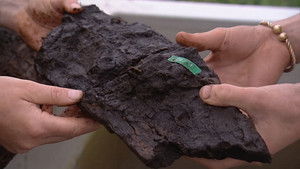
A Bronze-Age Barrow and Walkway - Flag Fenn, Cambridgeshire
The team have their work cut out in the Cambridgeshire fenland, looking for remnants of an ancient culture in the flat landscape. The long wooden track would function as a barrier, defence and ritual passage where votive offerings were placed in the water. At the end of it they hope to find a barrow - a circular Bronze Age burial mound. Dave Chapman constructs a bronze axe in a primitive furnace; while wood expert Maisie Taylor looks for a suitable handle in nearby woodland.
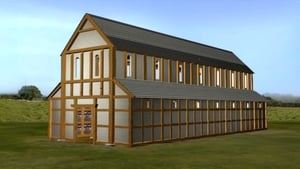
In Search of the Palace of King Offa - Sutton, Hereford
Time Team are in Freen's Court on the English-Welsh border. A recent aerial photograph shows parch marks. The kingdom of Mercia was ruled by the ruthless eighth century King Offa. Could this be his palace? All sorts of colourful legends are associated with the site. But they are having trouble locating the parch marks on the ground. As it's a protected monument, they must dig by hand under the watchful eye of English Heritage inspector Paul Stamper. There are some medieval remains but so far nothing Anglo-Saxon. They are joined by historian John Blair, County Archaeologist Keith Ray, and pottery expert Alan Vince. Phil helps experts Richard Darrer and Guy Apter to make a replica wooden cement mixer.
A Roman Temple in Sight of the Millennium Dome - Greenwich Park, London
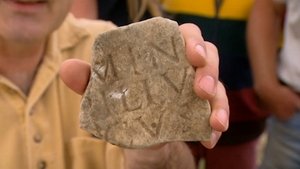
The team dig for Roman remains in Greenwich Park, London. They are joined by Hedley Swain from the Museum of London, Harvey Sheldon from the University of London and Mark Hassel from University College, London. Chris Owen (reconstructor) demonstrates Roman plastering techniques and ingredients, and paints a fresco with Victor. A remarkable find creates much excitement, boosting their hopes of identifying a Roman temple. Stewart suggests that Watling Street may have run through the park. For results and reconstruction see https://www.royalparks.org.uk/parks/greenwich-park/things-to-see-and-do/ancient-greenwich/roman-remains
Nuns in Northumbria - Hartlepool, County Durham
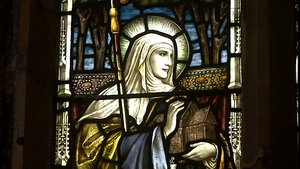
In 1833 builders in Hartlepool, Northumbria found name stones and skeletons in what once was the graveyard of Hartlepool Abbey. Time Team investigates what remains of the monastery led by St Hilda in the front gardens and traffic islands of the modern town. They find the remains of a substantial Saxon building, the remains of a high-status medieval building, a book clasp dating from around the time of the monastery, and the complete skeleton of a woman who died sometime between 630 and 770, according to later carbon dating. They also bind a book with an elaborate leather cover, decorated with a silver medallion of a lamb copied from a mold found on the site earlier.
The Roman Fortress of Eboracum - York, Yorkshire
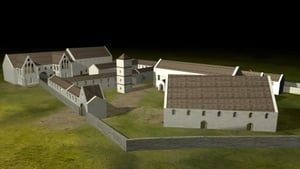
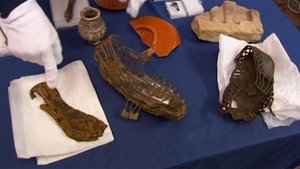
The team head to the ancient city of York for a special live dig. Finds include a Roman skeleton with hobnailed boots, and a Viking leather shoe. They are joined by Barney Sloane (site supervisor), Peter Addyman (director of the York Archaeological Trust), archaeologist Paul Thompson, osteoarchaeologist Margaret Cox, architectural historian Beryl Lott, finds expert Lindsay Allason-Jones, Denise Allen (glass specialist), Viking expert Patrick Ottaway and TV personality Sandi Toksvig. They build a brick kiln and make a Roman-style glass jug. Environmental archaeologist Andrew Jones sifts through organic debris to determine the diet of the inhabitants. Medical historian Carole Rawcliffe demonstrates some medieval herbal remedies.
An Anglo-Saxon Cemetery - Normanton, Lincolnshire
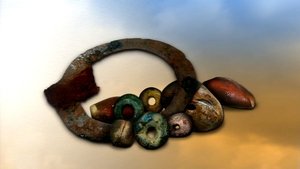
The team are intrigued that an Anglo-Saxon cemetery should contain Roman pottery. They are joined by archaeologist Naomi Field, Maggie Darling (Roman pottery expert), Martin Welch (Anglo-Saxon expert), Irit Narkis (archaeological conservator), and Kevin Leahy (Anglo-Saxon cemeteries expert).
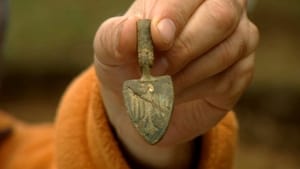
The Man Who Bought a Castle - Alderton, Northamptonshire
Derek Batten bought a plot of land advertised as a castle and moat; but there is little sign of a castle other than a tree-covered mound surrounded by a huge ditch. So he has asked Time Team to sort it out. Because the site is a scheduled ancient monument, the team have to get permission from English Heritage for strictly limited excavations. To complicate matters further, Tony has to adjudicate on a long-running boundary dispute. The team is joined by castles expert Philip Dixon. Phil Harding gets kitted-out in chainmail as a Saxon footsoldier, facing a mounted Norman warrior on a Spanish stallion. The site is finally identified as a ringwork castle, built on a previous Saxon structure around the time of the Norman Conquest.
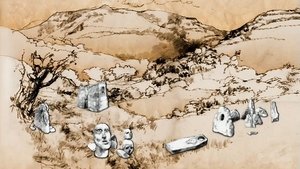
The Celtic Spring - Llygadwy, Powys
In deepest Wales lies an extraordinary site, with a Megalith, a Neolithic tomb, a Norman watchtower, early Christian symbols, and a natural spring. From this spring, the landowner has recovered an astonishing variety of coins, sculptures and jewelry. It is almost too good to be true, rather like an ancient theme park. So begins one of Time Team's most remarkable digs. Geophysics shows no structure anywhere on the site. The megalith is far too shallow to have stayed upright for thousands of years. And when the team unearth a sword, they start to get suspicious. They are joined by Celtic ritual expert Miranda Green, architectural historian Will Hughes, and Iron Age specialist Ian Stead. Results show that the site has been 'salted' and the finds have all been placed or build between the 19th century and as late as the 1980s. More info can be found at Llygadwy.
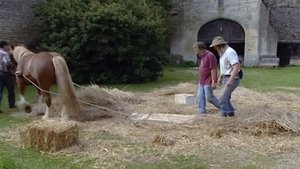
A Waltham Villa - Waltham Field, Whittington, Gloucestershire
Time Team want to paint a picture of a family living in a Roman villa in the Cotswolds almost 2000 years ago. So they decide to dig a site near Fosse Way, only a few hundred metres from two previously excavated villas, in an area unusually dense with Roman remains. They are joined by Neil Holbrook, Roman specialist Richard Reece, and Finds specialist Alex Croom. Phil helps Peter Reynolds reconstruct a tribulum, a Roman threshing board. And the experts conclude that the villa was built very early after the Roman invasion, but abandoned – possibly for financial reasons – quite soon after.
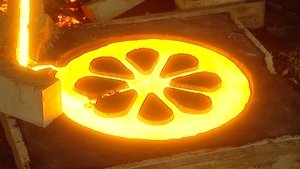
The Lost Viaduct - Blaenavon, Torfaen
Time Team attempt to find what is reputed to be the first railway viaduct. Built in 1790, to move coal efficiently from the mine to the Blaenavon Ironworks, one mountain over, horses drew wagons along its tracks for only about 10 years. Spoil from local mines has not only covered the viaduct, but filled the valleys so completely that it is difficult to find any clues as to where to dig. Thousands of tons of earth are moved to find the top of the viaduct, 12 meters below the modern surface. It is too dangerous to enter, but a camera is lowered for a peek. Elsewhere on the site, the remains of a manager's house and workers' cottages are found. As experimental archaeology, a small blast furnace is set up within the disused ironworks, and a Time Team logo (wooden pattern carved by Victor Ambrus) and cart wheels are cast.
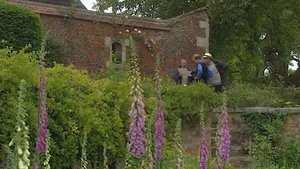
A Palace Sold for Scrap - Rycote, Thame, Oxfordshire
The owners of Rycote House live in a lovely converted stable block, but they believe that the extremely grand house that once stood on the property and which hosted Tudor royalty burned down in 1745, and they want Time Team to investigate. In the trenches, no evidence of burning is found, but it seems that grand houses were built and rebuilt on the site from the 14th century through the Georgian era. Finds include a drainage tunnel dating from Capability Brown's landscaping work on the property. Historian Robin Bush returns from the Bodelian Library with an extraordinary catalogue from 1807, which details the sale of the grand house room by room. In nearby Thane, a townhouse contains a fireplace and doorways that possibly come from the sale. Food Historian Ivan Day cooks and serves sweetmeats and hippocras. Palace expert Simon Thurley joins the Team.
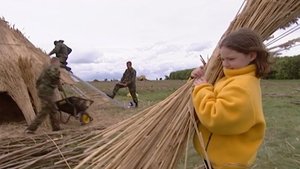
An Iron-Age Roundhouse - Salisbury Plain, Wiltshire
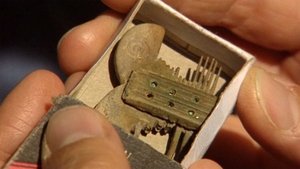
The team are on Salisbury Plain, over 38,000 hectares of land in South West England owned by the MOD. Though the whole area is rich in ancient remains, they are concentrating on Beeches Barn, an unprepossessing field rumoured to conceal an Iron Age roundhouse. Alongside the dig, they are helping Ian Apter to build one of the team's most ambitious projects, a full-size thatched roundhouse. Early geophysics results indicate not one, but several banjo enclosures. Such features are always accompanied by Roman buildings. The aim is to get the site listed as an ancient monument, but time is running out. They are joined by army volunteers, and Iron Age expert Peter Reynolds. The many finds include a 2,000-year-old bone comb, a quern-stone and a Roman coin.
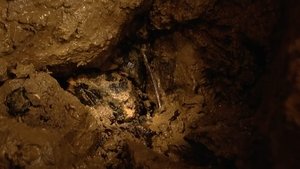
The Bone Caves - Alveston, Gloucestershire
A pile of bones has been discovered in a narrow cave. They include cows, dogs and a human skull, which have been dated to the late Iron Age Celts. Local archaeologist Mark Horton is keen to discover whether this is a ritual site or just a rubbish pit; so Carenza joins a team of cavers to find out. Every handful of mud must be hauled out and sorted. Meanwhile bone experts Andy Currant and Margaret Cox examine the finds so far. One female skull shows clear evidence of a violent death; and another elderly female was suffering from Paget's disease. The quantity of dog bones may indicate an ancient dog cult, as described by Richard Massey from English Heritage. Archaeometallurgist Andrew Lacey casts a bronze dog model, designed by Victor. In spite of strong geophysics, the surface digs initially show no archaeology at all. Back in the lab, Margaret and Andy make a macabre discovery. Celtic expert Miranda Aldhouse-Green suspects this all hints at human sacrifice.
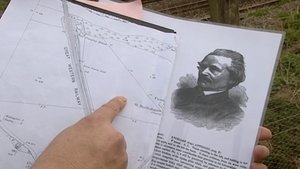
The Inter-City Villa - Basildon, Berkshire
While laying Brunel's Great Western Railway line 50 miles from London, navvies discovered mosaic floors indicating a Roman villa. The mosaics were broken up and the whole site ignored, until recent photographs of cropmarks showed the outline of the villa, among other features. Geophysics signals are also very strong. The trouble is, the diggers can find no structure beneath the surface. They are joined by Bernard Thomason from English Heritage, mosaics expert David Neal, Tim Allen of Oxford Archaeological Unit, and Jillian Greenaway from Reading Museum. Reconstructor Chris Owen supervises the recreation of a mosaic using thousands of tesserae.
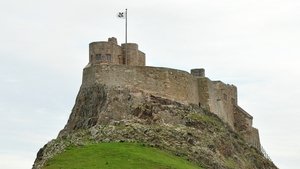
Holy Island - Lindisfarne, Northumberland
The team look at a wide range of historical deposits on the iconic Holy Island of Lindisfarne, including evidence of military activity in the 16th and 17th centuries. They are joined by John Heward (architectural historian), archaeologists Caroline Hardie and Richard Fraser, and pottery expert Jenny Vaughan. Phil Harding helps cooper Jim Newlands to make a traditional timber cask.
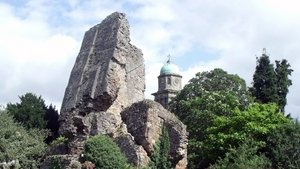
The Leaning Tower of Bridgnorth - Bridgnorth, Shropshire
All that is left of Bridgnorth Castle is the 70-foot Norman tower. The team are in the park, trying to piece together what it looked like in its heyday, 900 years ago. They must dig outside the area of the scheduled monument. Phil and a group of enthusiasts recreate a 12th-century catapult known as a perrier. They are joined by castle specialist Philip Dixon, Mark Horton from Bristol University, Small Finds expert Lynne Bevan, and pupils from nearby Oldbury Wells School. Finally Philip is able to describe the construction and layout of the castle.
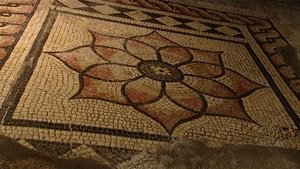
Three Tales of Canterbury - Canterbury, Kent
In highlights from a previous live dig, the team visit the ancient city of Canterbury to investigate three separate sites, all connected by their religious functions. There is a Roman temple, a monastery, and a medieval site devoted to the construction of sacred buildings. Celebrity guests Liza Tarbuck and Sandi Toksvig are in attendance.
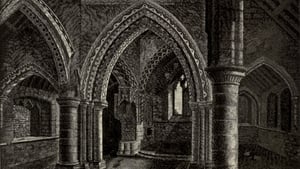
The Leper Hospital - Winchester, Hampshire
Outside of the city boundaries of Winchester, in what is today known as Hospital Field, once stood the St Mary Magdalen Leper Hospital. Probably founded in around 1140 by Henry of Blois, the superb chapel was recorded in engravings as a ruin in the 17th century. A large portion of the field was used as an army camp during WWI. A 180 metre well is discovered. Other trenches find the remains of the chapel, the Master's house, and the almshouses, as well as the cemetery, where a skull showing signs of leprosy is found. Within the chapel, an unusual double burial appears to be, as found in the records, the former Master of the hospital, followed almost 50 years later by his daughter. Victor sculpts a bust of a leper based on a skull excavated elsewhere. Nicholas Orme explains how lepers were viewed in the Middle Ages.
London's First Bridge - Vauxhall, London
At low tide on the foreshore of the Thames near Vauxhall Bridge in central London, a series of timber stumps is visible. How old are they, and what was their purpose? Time Team have the task of finding out, before the stumps are destroyed forever. They want to create a picture of the Bronze Age landscape here, 3,500 years ago. Post holes would indicate dry land building, while piles (pointed stakes driven into the ground) would indicate a structure above the river. To find out, they have to dig up one of the massive stumps. It's a race against time and tide to get it done in three days. Phil helps Damian Goodburn to make a simple piledriving rig with authentic tools. Stewart and Mick take a trip on the London Eye, to help them map the course of the ancient river. They are joined by Gustav Milne from University College London, and Jon Cotton from the Museum of London.
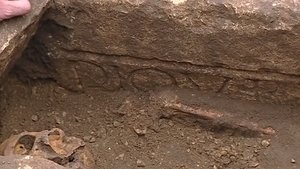
The Roman's Panic - Ancaster, Lincolnshire
Ancaster has yielded numerous Roman finds as well as a large cemetery with several sarcophagi from the period. In addition, the church is known in British archaeology for a Roman inscription dedicated to the deity Viridius. Phil finds the cemetery level, while Carenza discovers a layer filled with jumbled up human remains mixed with other bones. In the cemetery, Phil eventually uncovers the lid of a possible sarcophagus, and its excavation could thus require certain precautions due to the potential for lead poisoning and presence of biological hazards. However, the object proves to be a cist burial, as well as hazard-free. Incredibly, one of the cist slabs also turns out to contain yet another inscription to the god Viridius. In the end, the archaeologists suggest that the massive defences were ordered to be put up by the Roman central administration in Britain, and completely disrupted the original town layout.
Diving for the Armada - Kinlochbervie, Sutherland
The team travel to West Scotland to investigate the wreck of a ship that may have been part of the Spanish armada. As this is a classic case of rescue archaeology, they are joined by the government's Archaeological Diving Unit, whose director Martin Dean explains why this exercise is so important. An ROV is operated from the surface. Historian Felipe Fernández-Armesto talks about the role played by the weather in the Spanish armada. Pottery specialist Duncan Brown looks at several remarkable finds, including some Maiolica ware. Both Phil and Tony do some diving. With the help of marine archaeologist Mark Lawrence, John uses a magnetometer to survey the seabed.
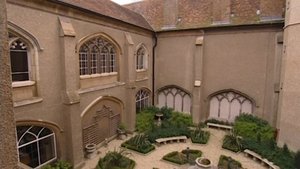
The Naughty Monastery - Chicksands, Bedfordshire
The team are invited to investigate the officers' mess of a military base in Bedfordshire, once home to monks and nuns of a 14th century Gilbertine Order. It was an experiment in unisex living. Jenni of Time Team volunteers to live like a nun during the dig, and is initiated by nunnery expert Roberta Gilchrist. John Ette from English Heritage monitors proceedings, and they are also joined by historian Richard K. Morris and osteoarchaeologist Margaret Cox. Robin Bush tells the miraculous tale of the Nun of Watton.
The Furnace in the Cellar - Ironbridge Gorge, Shropshire
The team head for a pub in Leighton, whose cellar contains the remains of a blast furnace once used for smelting iron. When Tony arrives, test pits are already being dug, and Geophysics are busy surveying the car park. They are joined by Paul Belford from Ironbrige Gorge Museum; and Jonathan Roberts shows Phil how to make a triangular charcoal clamp similar to those used in the 17th century. Mick visits the nearby Blists Hill Victorian Town, where Roger Fewtrell demonstrates making a 24 pound cannonball. They are also joined by researcher Colin Thom, industrial archaeologist Rob Kinchin-Smith, archaeometallurgist Gerry McDonnell, and finds expert Ceinwen Paynton.
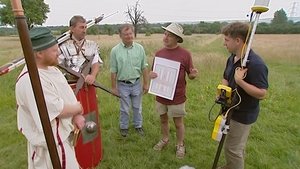
An Ermine Street Pub - Cheshunt, Hertfordshire
It is 40 years since amateur archaeologists dug up Roman remains near Ermine Street, now hidden beneath Cheshunt Park. Time Team tell the story of the original excavation, using the detailed plan to conduct their own investigation. They believe the site's proximity to the road is the key to this dig. With some brilliant work by Stewart and John, they soon locate part of the road. Though frustratingly they cannot find any trace of it beneath the surface, they do find a brewery and possibly a pub. The brewing process is described by ancient technology expert Peter J. Reynolds. They conduct a mini-experiment comparing Roman surveying techniques with Henry's modern equipment. They are also joined by Roman experts Rosalind Niblett and Harvey Sheldon.
Iron-Age Market - Helford, Cornwall
Two massive hill forts on the Lizard Peninsula in Cornwall, at Gear and Caer Vallack, have never been excavated. In fact, no major Cornish Iron Age site has ever been investigated. Time Team have been given the tall order of making some sense of these two sites in three days. For many years, a local farmer has been collecting Stone Age and Iron Age artefacts. Already the geophysics results are showing a potential wealth of ancient human activity. But the sites are so huge that the team will have to be very selective. They are joined by Ian Morrison from English Heritage, ancient technology expert Peter J. Reynolds, pottery experts Carl Thorpe and Henrietta Quinnell. Re-enactor David Freeman demonstrates a sling-shot, a simple but effective weapon. Phil and Peter visit a reconstructed round house nearby.
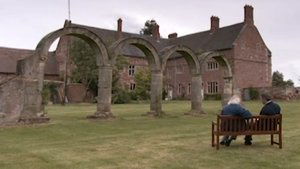
Siege House in Shropshire - High Ercall, Shropshire
The owners of a Tudor house, High Ercall Hall, want Time Team to investigate a bloody confrontation between the Roundheads and Cavaliers during the English Civil War, 350 years ago. In front of the house are four mysterious arches. Could they be relics of an older, medieval building, which apparently stood here for centuries before the present building? They are joined by buildings expert Richard K. Morriss, and Civil War specialist Glenn Foard.
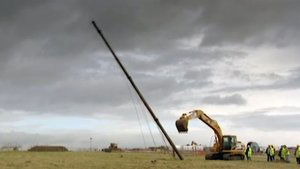
A Prehistoric Airfield - Throckmorton, Worcestershire
Hoping to uncover Bronze Age burials, the team descend on a disused airfield. But initial finds suggest the Iron Age, while geophysics shows plenty of circles and some larger rectangular enclosures. Jacqui Wood makes prehistoric cheese, and cooks a fish stew. Bronze Age enthusiast Francis Pryor gets excited about some faint track marks. They are joined by Malcolm Atkin and Robin Jackson from Worcestershire County Council, Ian George from English Heritage, and Iron Age expert Jeremy Taylor.
A Lost Roman City - Castleford, Yorkshire
The medieval castle of Beaudesert in Henley-in-Arden suddenly vanished without trace, leaving a single stone on top of a mound. The people want to know what it looked like. "The Mount" as it's called by the locals, is a popular beauty spot and has suffered from erosion. Also, as it's a scheduled monument, there are limits to what digging can take place. The castle was built by the de Montforts in the early 12th century. Henry and Stewart create a simple 3D clay model of the building, which follows the natural contours of the hill. It looks as if the castle was demolished and the pieces sold off in the 15th century. Using authentic tools, bowyer Steve Ralphs makes a medieval longbow, which is tested against a crossbow of a similar period. Castles expert Sarah Speight describes daily life in the castle. Finds include a section of carved pestle and mortar.
Every Castle Needs a Lord - Beaudesert, Warwickshire
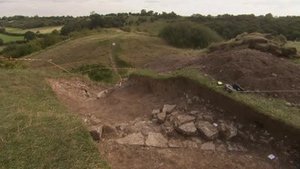
The medieval castle of Beaudesert in Henley-in-Arden suddenly vanished without trace, leaving a single stone on top of a mound. The people want to know what it looked like. "The Mount" as it's called by the locals, is a popular beauty spot and has suffered from erosion. Also, as it's a scheduled monument, there are limits to what digging can take place. The castle was built by the de Montforts in the early 12th century. Henry and Stewart create a simple 3D clay model of the building, which follows the natural contours of the hill. It looks as if the castle was demolished and the pieces sold off in the 15th century. Using authentic tools, bowyer Steve Ralphs makes a medieval longbow, which is tested against a crossbow of a similar period. Castles expert Sarah Speight describes daily life in the castle. Finds include a section of carved pestle and mortar.
Steptoe Et Filius - Yaverland, Isle of Wight
Two years ago, local archaeologist Kevin Trott discovered Roman remains in a trench being dug for a water pipe. Unfortunately the trench had to be closed, and now Time Team are having trouble finding it. While Phil and the diggers look for the original trench, a full-scale field-walking exercise reveals many finds, both Roman and Iron Age; including a lot of bronze jewellery, seeming to show industrial activity. There are hints that enamelling was carried out here, so they decide to make their own enamelled hare brooch. Mick and Tony visit a nearby Roman villa with a detailed mosaic floor. On day three, Stewart spots some potential earthworks in a neighbouring field; so they decide to dig some exploratory trenches there. They end up with examples of activity from the Bronze Age, Iron Age, Roman occupation, and Anglo-Saxon period. To cap it all, at the end of day three they find a rare Iron Age burial. The team are joined for the first of many digs by Anglo-Saxon expert Helen Geake.
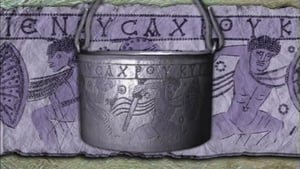
Seven Buckets and a Buckle - Breamore, Hampshire
A Byzantine brass bucket was found during a 3-day live dig in a Saxon cemetery a year ago. Time Team returns to find out more about the people who lived and died here. Metal detectorists are called in to find non-ferrous metals, to complement Geophysics' magnetometer survey. They are joined by Anglo-Saxon specialist Andrew Reynolds, paleopathologist Alice Roberts and celebrity Sandi Toksvig. Sandi's ancestors were from Jutland, and Robin Bush argues that this whole area of Hampshire was actually occupied by Jutes before they were defeated by the Saxons under King Cadwalla in 686 AD. Ray Walton replicates a brass bucket, complete with inscriptions and silvering, from scratch. Osteoarchaeologist Margaret Cox tries to make sense of the burials including rare double burials – one of which uniquely has a child placed between two men. Finds include weapons and an exquisite enamelled belt buckle; and three more of the mysterious buckets, which all fit one inside the other.
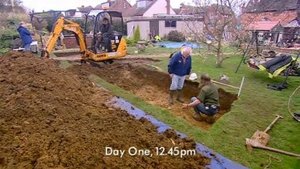
Garden Secrets - Raunds, Northamptonshire
Time Team investigates a back garden in Raunds, where a skeleton – aptly named Henry by his discoverer – has been found along with his Anglo-Saxon grave goods. The burial probably fits in with a number of other Saxon sites in the town and is seen in light of these. The team also look carefully at Henry himself, his attributes, anatomy and ailments, and have to tackle several logistical problems in association with excavating in such a constrained area as a garden. However, they also find the opportunity to extend the investigation across the fence to an allotment area behind the gardens. The experimental part of the program looks at various objects and medical remedies found in Anglo-Saxon society, presented by historical reenactors, while Victor recreates the appearance of Henry. In the end the archaeologists do confirm the presence of an Anglo-Saxon cemetery with various pieces of grave goods at the site, probably placed in relation to older Bronze Age burial mounds.
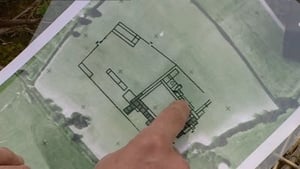
Mosaics, Mosaics, Mosaics - Dinnington, Somerset
Time Team travels to Somerset to investigate the discovery of an exquisite Roman mosaic in a field. The geophysical survey clearly indicates the presence of a substantial and well-preserved villa on the site. One of the main problems they tackle is the development of the building complex through time. By targeted examination of the structural remains, the archaeologists uncover evidence of several phases from a more humble early timber building to a two-story grand villa with two large ranges and a courtyard gate structure. In the end, the site turns out to contain one of the largest Roman villas in the UK.
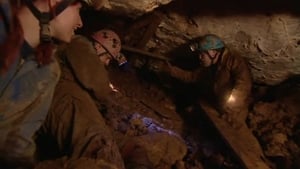
Peak District Practices - Carsington, Derbyshire
Time Team examines a mysterious cave in Derbyshire where cavers have found several skeletons, some of them newborn babies and the earliest dated to the Stone Age. Finds from the cave have also provided dates from the Iron Age and the Roman period. The excavation proves potentially quite hazardous, as the chambers and tunnels are filled with precariously heaped stones which threaten to scree if the safety shoring moves or breaks, and some areas are considered just too unstable to work in at all. The archaeologists also investigate a nearby Bronze Age barrow, which previously has been subject to illicit excavation. In the cave they find more human and animal remains, although how these got there remains subject to some debate. The mound gets confirmed as a barrow and undisturbed secondary burials are discovered as part of the structure.
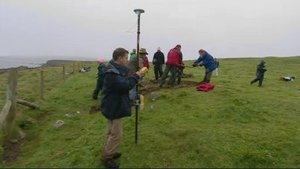
The Giant's Grave - Fetlar, Shetland
Time Team investigates a Shetland back garden for remains of Viking occupation after the discovery of a number of soapstone objects there. They also open a mound feature nearby called The Giant's Grave to see whether or not in fact it may be a Scandinavian boat burial. In the garden they find more soapstone objects, slabs with crossmarks, small souterrains, and wall lines, indicating the presence of a Viking Age farmstead. Phil tries to carve a soapstone lamp as the experimental part of the program. The mound turns indeed out to be a looted Scandinavian boat burial, as the team finds patterns of iron rivets showing the imprint of the vessel and a small piece of its keel – and by excavating carefully, the archaeologists also locate a Viking tortoise brooch not taken by the looters.
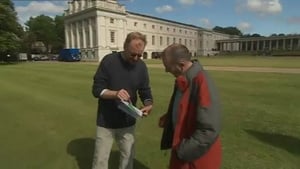
Joust Dig It - Greenwich, London
Time Team investigates Placentia, the Greenwich palace of king Henry VIII. They try to locate his royal armoury and the tiltyard, where the court and nobility would have jousted and been entertained in mock castles. In the experimental part of the program, Tony looks at how Tudor armour would have been made and gets a breastplate of the period hammered and fitted. The armoury as a turns out to be too elusive for the archaeologists, but localized amounts of hammer scale, a residual product of forging, indicate its presence there. However, the tiltyard complex with its associated structures, like the banqueting hall, are firmly located.
Digging Liberty - Merton, London
Tony Robinson and the team are hunting for Liberty's first factory in South London. 'Liberty silks' still evoke images of opulence and beauty, of floating dresses and more leisurely times. But their hunt proves far from leisurely. Day three of the search brings the vital breakthrough – as well as an extraordinary attempt to recreate the 19th-century techniques of dying and printing those wonderful silks.
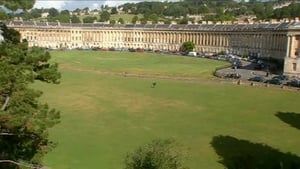
Death in a Crescent - Bath, Somerset
Time Team visit Bath to investigate parch marks seen in the park lawn of the Royal Crescent, indicating the presence of a large Roman road, possibly local remains of the Fosse Way. They also look behind the Crescent for Roman sarcophagi and wall lines found by builders of the now-gone St. Andrew's Church in the 1870s and noted by an antiquarian at the time. While the road ditches eventually yield Roman burials, the team does not locate any sarcophagi said to have been found there. Whether or not the large road, in fact, is the Fosse Way remains in the end uncertain, with arguments for both sides.
Back to Our Roots - Athelney, Somerset
Time Team revisits Athelney Abbey, the hideaway of Alfred the Great, and also the very first site investigated by the team one hundred programs earlier. Ten years of technological advances in the meantime has significantly enhanced their geophysical survey methods and changes in heritage management attitudes have also given them the permission to dig at the site. Slag and magnetic readings suggest that iron and steel was smelted and worked at Athelney, the latter being a good indication of Anglo-Saxon presence. At the abbey site itself Phil and his diggers uncover several burials. Reenactors show Anglo-Saxon dress and weaponry and their Viking counterparts as the experimental part of the program, while Carenza and Tony make – and burn – traditional Saxon cakes. The archaeologists find a number of objects, a Medieval graveyard associated with Athelney abbey, a metalworking complex, and a substantial defensive ditch dug in the Iron Age, but reused in the time of king Alfred.
Looking for the White House - Kew Gardens, London
Time Team visits Kew Gardens to find the White House, part of the second Kew Palace complex and favourite home of mad king George III. While Carenza is shown how decorated wine glasses of the period are made, Stewart induced a lot of confusion regarding the exact placement of the building due to inaccuracies in the original 18th-century map of the area. However, in the end, both the archaeology and the architectural plan match each other. The archaeologists also locate a tunnel for sheltered transport of meals from the kitchen block to the palace dining halls by combining geophysical survey with keyhole test pits.
Rescuing the Dead - Leven, Fife
A building development threatens a Bronze Age cemetery in Fife, and Time Team is there to carry out rescue excavations together with County Archaeologists. The graves are Cist burials in various states of preservation placed around a large boulder in a dug pit. The boulder is shown to cover another cist, and several of the burials contain in fact bones – not a certainty, given the acidity of the local soil – and grave goods. With skulls initially being found as the only form of human remains, the archaeologists wonder whether the site only contained skulls originally. The boulder cist is capped by a large stone slab covering a void beneath, and the logistics of lifting it prove a challenge. In the end, they uncover a chamber with skeletal remains, thus showing soil acidity to be the main culprit for the dearth of bones other than skulls in the other graves.
Not a Blot on the Landscape - Castle Howard, Yorkshire
Time Team travels to Castle Howard to look for the lost village of Henderskelf, which was demolished around 1700 to make way for the new castle constructed on the estate and its formal gardens. But the exact placement of the village is uncertain. The geophysical survey is unable to help much so the team relies on a map from 1694 and visible lumps and bumps. Geophysics produces better results in their search for the lost village church of Henderskelf. Stewart advances their investigation significantly when he discovers a more detailed sketch of the village on the back of another old map from c. 1700 in the Castle Howard archives, but it scales poorly onto a modern map. When this is done, the team realizes that some of their trenches have missed target buildings altogether. Armed with all this evidence, the archaeologists finally get to grips with the elusive Henderskelf – which seems to have been utterly removed between 1700 and 1720 when the new castle was erected.
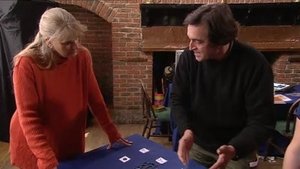
A View to a Kiln - Sedgefield, County Durham
Roman finds from Sedgefield prompt Time Team to visit a field and subject it to investigation. Air photographs and geophysical survey show tantalizing signs of activity below the turf, while fieldwalking provides even more finds. However, these finds lead to some confusion, as the archaeology suggests a low-status site with farms or workshops, but the coin finds are of high quality and value. The coins are decided to originally have formed a hoard, presenting certain bureaucratic issues for the metal detectorists who brought Time Team to the site. The experimental part of the program investigates how Roman coins would have been mass produced. In the end, the archaeologists discover a well-preserved pottery kiln in a settlement complex they suspect represent a civilian industrial site supplying the Roman market in Britain – all of which Phil gets to show the local MP, Tony Blair.
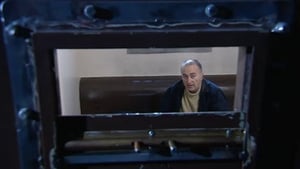
Jailhouse Rocks - Appleby-in-Westmorland, Cumbria
The police in Appleby-in-Westmorland, Cumbria, know that their station dates back to the first gaol built on the site in the 1770s. They also know that two subsequent prisons, from the 1820s and the 1870s, also stood on the site. They invite Time Team to see what remains of the former prisons underneath their car park. Trench 1 finds the remains of the room where the 1870s prison's treadwheel was, trench 2 finds the remains of the 1770s cell block, which has its own story to tell. Trench 3 discovers the women's prison of the 1820s (previously prisoners were not segregated by sex), which had an underfloor heating system. One archaeologist volunteers to become a Victorian-era prisoner for 24 hours, put to hard labour breaking rocks, turning a crank handle to no purpose, and moving dirt from one pile to another. Finds include part of a warder's uniform and hobnail boots, and a bar from a prison window. Carenza acts as historian for this episode.
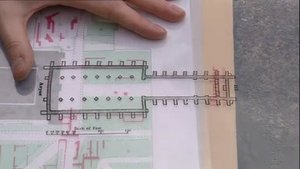
In Search of the Brigittine Abbey - Syon House, London
The team are on the trail of a medieval mystery. Founded by Henry V and built by his son Henry VI, Syon Abbey was a large, wealthy monastery for nuns of an obscure Swedish order. During the reign of Henry VIII it vanished. Its remains lie beneath the lawns of modern Syon House, designed by Capability Brown. What they find is on a huge scale. But there is disagreement as to what kind of building it was. After investigating the foundations of the House, Stewart and Jonathan reach an agreement on the extent of the church. They are joined by buildings historian Jonathan Foyle and monastic expert Barney Sloane.
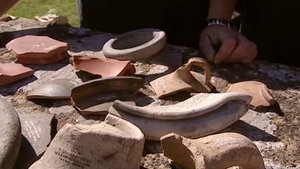
A Roman Bath House and Edwardian Folly - Whitestaunton Manor, Somerset
Next to the beautifully manicured lawns of Whitestaunton Manor in the Blackdown Hills of Somerset lies a patch of muddy weeds. Coins and pottery have been found here, and it is supposedly the site of a Roman villa. But archaeology student Freya Bowles thinks differently. The team first have to remove weeds and tree roots without the use of mechanical diggers, as it's a scheduled monument. They are also extremely limited as to the size of the excavation. Clearly there are Roman remains, but mixed up with Victorian or Edwardian garden features. Gradually the plan of a Roman bath house emerges. The team are joined by mosaic specialist David Neal and buildings historian Jonathan Foyle. Directed by technological historian Robert Spain, they build a full-size replica hypocaust complete with under-floor heating.
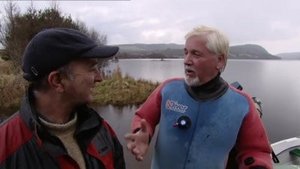
The Crannog in the Loch - Loch Migdale, Scottish Highlands
There's an island-ish round area of stones in Loch Migdale - could it be a crannog? 200 meters away on the banks is a small (12 m diameter) circular feature - is it a henge? Time Team rounds up some experts on the prehistoric and finds out. They set up a suction dredge to investigate two areas of the loch feature, and find wonderfully preserved timber, proving that it's a built structure and thus a crannog. GPS surveying and a tip from a local farmer finds the causeway, now underwater, leading to it Trenches within the henge show that the entrance and wooden posts within it pointed towards notable features in the landscape. Stewart looks for the find site of the Migdale Hoard.
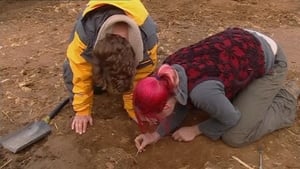
Saxon Burials on the Ridge - South Carlton, Lincolnshire
The team investigate a possible fifth century cemetery in a ploughed field, where they find a metal shield boss. One male skeleton is holding a drinking vessel. There are hints of much earlier activity as well, including a Bronze Age barrow. Using authentic tools, they fashion a Saxon shield. Conservator Dana Goodburn-Brown examines the details in the x-rays of the shield boss; while Phil and members of Regia Anglorum demonstrate how the shields are used in battle. They are joined by bone specialists Alice Roberts and Margaret Cox, who unearth some coloured beads among the remains.
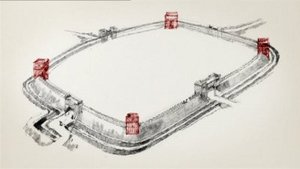
The Roman Fort That Wasn't There - Syndale, Kent
Nobody knows what happened immediately after the Romans arrived in 43 AD, because no Roman fort has been discovered in this part of South East England. Time Team are on a mission to find the missing link. Local archaeologist Paul Wilkinson believes he has already found a military ditch, which would surround such a fort. It's a prime site, right next to Watling Street. However geophysics cannot find any evidence for a ditch. So begins one of their most frustrating digs, directed by Neil Holbrook. Phil enlists in the Ermine Street Guard for a day. They are joined by Roman expert Tony Wilmott and pottery specialist Malcolm Lyne.

An Iron-Age Trading Centre - Green Island, Dorset
Green Island in Poole Harbour has already shown that it was a significant centre of Iron Age activity, with evidence of industrial activity and trading to and from the continental mainland. But it has never been properly excavated. Two huge jetties - now buried - indicate either a port or a defensive structure. The island is a SSSI (Site of Special Scientific Interest), which means hand-digging only, and replacing the topsoil. Very soon the finds start to multiply. Of particular interest is evidence of shale working for jewelry, and iron smithing. They are joined by Project Director Eileen Wilkes, archaeologist Miles Russell, Iron Age specialist John Collis, and metallurgist Roger Doonan. Experimental archaeologist Jake Keenan demonstrates shale working with primitive tools. Geomorphologist Vincent May explains that in prehistoric times the water level was two metres lower, and Green Island was much bigger.

A Medieval Blast Furnace - The Old Furnace, Oakamoor, Staffordshire
The team are revisiting the garden of Furnace Cottage in Churnet Valley, where the previous excavation of an Elizabethan blast furnace produced evidence of much earlier iron-making. Stewart surveys the landscape, to piece together a picture of water flow and other features essential to iron smelting. But John is convinced that there is strong geophysical evidence for a furnace a mile away at Eastwall Farm. It could even be water-powered - a major discovery. They build a medieval style bloomery. They are joined by historian Pete Brown, and archaeologists David Cranstone, Bill Klemperer, Deb Ford, Gerry McDonnell, Tim Young.
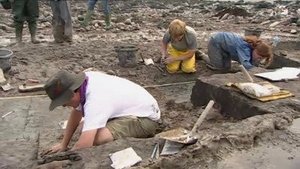
Rescuing a Mesolithic Foreshore - Goldcliff, Newport
When the tide recedes at this point on the Severn estuary, rare evidence of stone age activity is uncovered. Time Team are on a three-day mission to help recover some of these relics before they are washed away. It involves excavating and painstakingly examining 15 cubic metres of muddy silt; but time is against them. The Mesolithic period is poorly understood, because these people were highly mobile hunter-gatherers who did not build permanent structures. They uncover some of the smallest artefacts they have ever handled. Phil and Brigid are fascinated by ancient footprints of adults and children, preserved in the sand. Phil excavates the massive tooth of an aurochs, an extinct giant prey animal. They are joined by Martin Bell of Reading University, Mesolithic specialists Nick Barton and Robin Crompton, and food expert Jacqui Wilson who cooks up a stone age feast.
Fertile Soils, Rich Archaeology - Wittenham Clumps, Oxfordshire
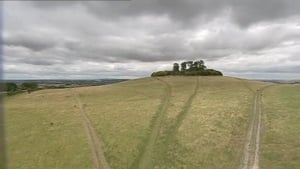
The British landscape is littered with Iron Age hill forts. A local archaeology unit is digging such a hill fort in Oxfordshire, but cannot afford to investigate a neighbouring larger hill, only 200 metres away. Both Roman and Iron Age remains have been found there in the past. But what is its relationship, if any, to the hill fort? The geophysics team identify a potential target, a square enclosure on the side of the hill. But before they can begin, they have to manually search the site for specimens of great crested newt, a rare protected species. At the beginning of day two, John's team find something which could be very special, a Roman church, apparently with a semicircular apse. They are joined by Tim Allen of Oxford Archaeology and osteoarchaeologist Angela Boyle.
King Cnut's Manor - Nassington, Northamptonshire
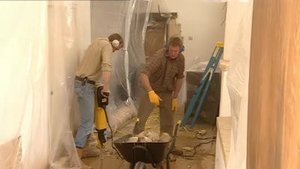
Digging up fields and car parks and back gardens is all very well, but how could Time Team pass up a chance to dig up a living room? The manor house in Nassington was purchased in a derelict state, and while restoring it, several massive post holes were investigated that are of a size and spacing to be a Saxon great hall. The pottery finds from the property suggest almost constant occupation from the Iron Age to the present, and the Ramsey Chronicle records that Cnut owned Nassington while king. Up comes the flooring so three trenches can be dug inside the house, while outside, various trenches are dug in the garden. It seems that hall after hall was built where the manor house still stands, but no trace can any longer be found of outbuildings which must have been there. Graeme Lawson visits with a selection of Dark Ages musical instruments, makes a reed pipe of elder wood, and plays out the episode with the Time Team theme music on pipe and lyre.
Back-Garden Archaeology: Revisiting a Roman Villa - Ipswich, Suffolk
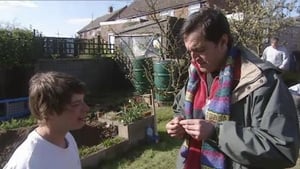
As renowned Suffolk archaeologist Basil Brown discovered, Castle Hill near Ipswich is named, not after a castle, but a substantial Roman villa. Brown was unable to complete his excavation, and Time Team have been called in by local schoolchildren to find out more. However, they will need to dig up a few back gardens to do so. Very soon it becomes clear that Brown's measurements were out of kilter. Halfway through day two, Phil makes a breakthrough. But not until 11 trenches are dug in 8 gardens does a full picture emerge. The team are joined by Roman specialist David Neale and site director Miles Russe
The Lost City of Roxburgh - Roxburgh, Scottish Borders
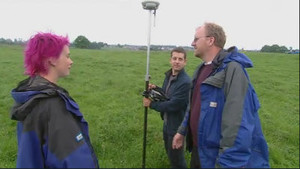
Tony and the team search for the remains of Roxburgh, one of medieval Scotland's four great centres, but which has vanished beneath the pasture surrounding the ruins of Roxburgh Castle.
Brimming with Remains - Cranborne Chase, Dorset
Pigs rooting in a windswept field in Dorset unearthed fragments including Roman mosaic floor tiles. In addition, a Bournemouth University excavation team located some burials nearby. The farmer, Simon Meaden, has asked Time Team to investigate further. John's geophysics survey reveals a lot of activity. Very soon multiple finds start appearing, and to Tony's delight he is allowed to dig up a little beaker. Archaeologist Mike Parker Pearson produces a timeline of prehistoric and historic burial practices. Phil's trench is invaded by chickens. Gradually a complex picture emerges of human activity here over thousands of years, including a heated Roman villa with bath-house.
The Manor That's Back to Front - Chenies Manor House, Buckinghamshire
Tony Robinson and the team visit Chenies Manor which is believed to have been upgraded in time for Henry VIII's visit around 1530. However, while a late 16th-century inventory suggests that an additional range of rooms fit for a king once existed, traces of them have vanished since the house fell into disrepair. Can the experts uncover the layout of the building as it appeared in Tudor times?
The Monastery and the Mansion - Nether Poppleton, Yorkshire
The villagers of Nether Poppleton, near York, join Tony Robinson and the team for some extensive digging as they try to determine the exact age of their village. The current layout follows a typical medieval pattern but a reference to the village in the Domesday Book has the experts thinking that it could date back to Saxon times at least.
The Bombers in the Marsh - Warton near Preston, Lancashire
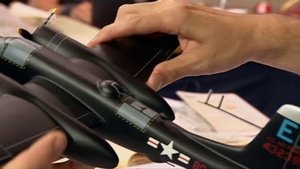
On 29 November 1944, two US Douglas A-26 Invader bombers crashed in Warton Marsh. Both planes, along with a number of others, had left Warton Airbase in formation, en route to join forces in the preparations for the Battle of the Bulge. Only one minute off the runway and 1,000 feet into the air, the aircraft collided and came to rest in the marsh. All the crew died. Their bodies were recovered from the planes, but an investigation into the causes of the crash was inconclusive. For this programme, Time Team enlisted a veteran air crash investigator, along with the RAF's 'crash and smash' team and other experts to try to find out what caused the crash. Each of the planes, including the engines, was believed to be relatively intact and, it was hoped, would provide the necessary information to determine why these two planes collided.
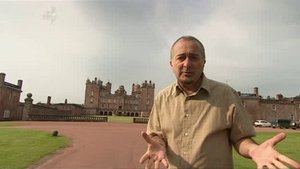
Fighting On The Frontier - Drumlanrig, Dumfries and Galloway
Twenty years ago, during a particularly dry summer, parch marks revealed what seemed to be a huge Roman fort a few hundred metres from the Duke of Buccleuch's extraordinarily grand house, Drumlanrig Castle, in Dumfries. The discovery lay untouched until Time Team took on the challenge to investigate it further. The Team sought to answer a number of questions. Was it actually a Roman fort? If so, it was one of the most northerly ever found and therefore of special importance to Scotland's history. So when were the Romans there? No finds made previously had given any hint of the date of the structure. Time Team also wanted to identify the roads leading in and out of the fort. Was there any kind of civilian settlement or other features nearby? And could the Team work out how the Romans made their famous draco, the military standard that made a sound said to have struck fear into the hearts of their enemies?
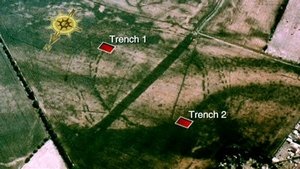
A Neolithic Cathedral? - Northborough, Peterborough
The Time Team is invited to a huge circular crop mark near Peterborough, referred to as a causewayed enclosure by archaeologists. Huge ditches mark the area, which date the site at around 6,000 years old. Some believe the ditches to be evidence of farming, others that they are of religious origin. Francis Pryor and Ben Robinson join the team to get to the bottom of the mystery in just three days.
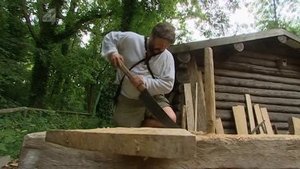
In Search of Henry V's Flagship, Grace Dieu - Bursledon, Hampshire
The team have three days to explore the skeleton of a medieval warship found on the bed of the River Hamble near Southampton. They must prove whether it is the Grace Dieu, Henry V's naval flagship, and also find out how big it was and just why it came to grief. The team are joined by John Adams (marine archeologist) and Susan Rose (historian). Damian Goodburn (ancient ship expert) attempts to reproduce a small section of the massive ship's clinker built hull.
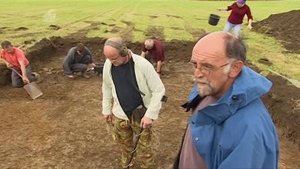
Going Upmarket With The Romans - Standish, Gloucestershire
For years, a field near Standish in Gloucestershire has yielded Roman brooches, mosaic tiles and coins. The finds point to a sizeable villa somewhere nearby - but so far none has been found. Tony Robinson and the team have just three days to solve the mystery. There are plenty of signs that people lived in the area from the Iron Age through to the Roman period, but no sign of the villa. But clue by clue the archaeologists piece together the puzzle to reveal an extraordinary picture of several generations of one family living through huge social change and gradually improving their lifestyle as Romanised Britain became more and more prosperous.
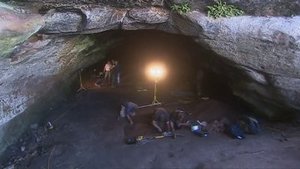
Picts And Hermits: Cave Dwellers Of Fife - Wemyss, Fife
Wemyss Caves, on the shore of the Firth of Forth, have been a famous landmark for centuries. Legend has it that they were occupied by the mysterious Pictish people who scared the Romans into building Hadrian's Wall; that subsequently they were home to medieval Christian hermits and later to Jacobean nobles. Now the caves are under serious threat from erosion; the sea is already lapping at the cliff just below the cave line. But Wemyss Caves have never been properly investigated. How did the enigmatic Pictish carvings on the cave wall get there? And did Picts really live in the caves or were they just passing by? Is there any evidence of hermits or other types of medieval occupation? In an intensive three days, Time Team come up with some remarkable answers, beginning the task of re-writing the history of this atmospheric site.
Lost Centuries Of St Osyth - St Osyth, Essex
7th century Vikings sailed up an Essex creek. Legends tells hold they captured a nun who was offered her modesty or her mortality, chose death. The nun carried her severed head up the hill to her church and collapsed. A spring bubbled up. The nun was St Osyth, the wife of the King of Essex. The site of her death became a shrine and a settlement grew up. In the 12th century Richard de Belmais, Bishop of London, founded an Augustinian Priory in the village. It prospered until the Dissolution in 1539 and was one of the wealthiest monasteries in Europe. A few years ago a local boatbuilder noticed some decayed timbers in the mud of St Osyth Creek. The tides gradually revealed more of these timbers, which are on a significant bend in the channel. These timbers could be the remains of a medieval wharf which served the town in its early days, but they could also be the key to a much bigger mystery. The present town seems to date to the 15th century but the famous Priory is much older.
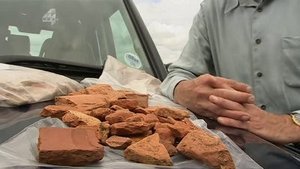
The Puzzle Of Picket's Farm - South Perrott, Dorset
Time Team heads to South Perrott in Dorset, inspired by the intriguing discovery of Roman brooches and coins in a hilltop field. The Team are pretty sure they're going to uncover a Roman Temple, but the search gets off to a bad start when all the pottery turns out to be medieval and there's no sign of any buildings. Something has clearly been going on in this field, but it's not what they thought. The trenches gradually reveal their contents, painting a very different picture from a very different period. Have the Team stumbled across a Stone Age burial site that had, extraordinarily, been honoured for thousands of years right into Roman times? Prehistory specialist Miles Russell explains some aspects of Bronze Age features.
Norman Neighbours - Skipsea, East Yorkshire
For years Time Team fan Frances Davies has been collecting finds from the field outside her back door in Skipsea in East Yorkshire. She has uncovered Neolithic, Roman and Saxon items, but her best finds are medieval pots dating from the Norman Conquest. It's clear that there was some habitation in the area 1,000 years ago, but a geophysics plot of the site reveals incredible results, far beyond the team's expectations. Could Frances have had a whole Norman village in her field, a village lost to the records? And could there be a clue in nearby Skipsea Castle, the seat of power of the Norman overlord of the whole area? The Team have three days to find out.
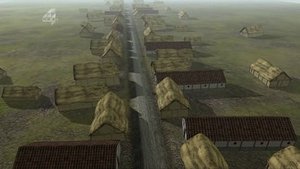
Tower Blocks And Togas - South Shields, Tyneside
In South Shields, the Roman Fort at the end of Hadrian's Wall is a local landmark and the team embark on a quest to locate the site of a huge Roman military cemetery thought to be in the area. They search all nearby open spaces but come to the conclusion that the likeliest site of the cemetery is beneath a 1960s housing estate. A few tombstones and burials have been found in the past hundred years, but there must be a huge Roman military cemetery somewhere. Time Team use every spare piece of open space, have a look under the occasional pavement and enlist as much local help, young and old, as possible in their hunt for the site. It's three days of head-scratching mayhem before the answer emerges.
Animal Farm - Hanslope, Milton Keynes
An unusual horse bit, some posh finds and carved stonework lead Time Team on a search for a Norman hunting lodge in Northamptonshire. But it isn't long before the lodge's massive stone walls begin to look a little less impressive, and, under the forensic trowels of the diggers, the lodge shrinks in every direction. But royal forests were fiercely protected by the Norman nobility; why are there buildings here at all? Does the Domesday Book hold a clue? It seems as if this area was home to an extraordinary number of pigs... Have the Team come across one of the very first factory farms?
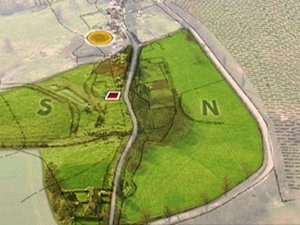
The Bodies in the Shed - Glendon, Northamptonshire
The Team is visiting Glendon Hall to unravel the mystery of the human skeletons found under an outbuilding. The team are joined by Richard Morriss (historic building consultant) and Glenn Foard (landscape archaeologist).
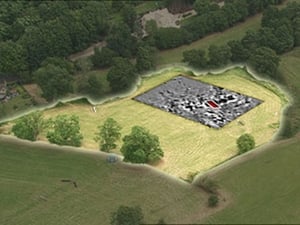
Villas out of Molehills - Withington, Gloucestershire
When a colony of moles brings up pieces of mosaic floor in a Cotswold field, Tony Robinson and the team investigate whether the findings could be linked to a nearby Roman villa discovered almost 200 years ago. A local spring might give a clue to the true purpose of the building. The team are joined by local archaeologist Roger Box, and Roman specialists David Neal and Richard Reece.
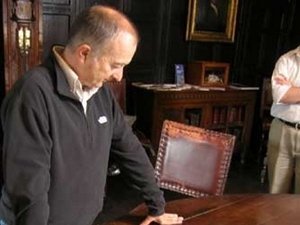
Rubble at the Mill - Manchester
The team set to work uncovering Manchester's first cotton mill, built by one of the fathers of the Industrial Revolution, Richard Arkwright. Over three days the team uncover the remains of a complex factory and also signs of a revolutionary steam engine that was decades ahead of its time. The team are joined by Mike Nevell from Manchester University, and Jennifer Tann (technology historian).
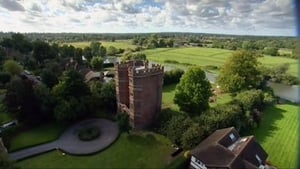
The First Tudor Palace? - Esher, Surrey
The team visit Wayneflete Tower which is all that remains of a palace. Over three days they piece together the story of a site that evolved into one of the most stunning buildings of early Tudor times. They are joined by historic buildings expert Jonathan Foyle, John Guy (historian) and dendrochronologist Mick Worthington.
The Boat on the Rhine - A Roman Boat in Utrecht - Utrecht, The Netherlands
The team is invited by Dutch archaeologists to help rescue crucial evidence from a 35-metre-long barge that once sailed the Rhine. The team has one chance to investigate the boat before the bulldozers move in.They are joined by city archaeologists Erik Graafstal and Herre Wynia, Fleur Kemmers (coin specialist) and Jaap Morel (ship archaeologist). Together with wood specialists Damian Goodburn and Esther Jansma, Phil looks at a similar barge which has been preserved and exhibited.
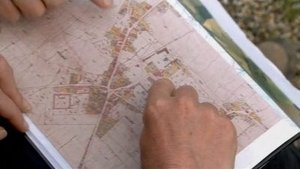
Court of the Kentish King - Eastry, Kent
The team descends on the orchards of Kent to search for the lost Anglo-Saxon palace of Eastry, and discover two likely contenders. Over three days, they dig the longest trench in Time Team history.
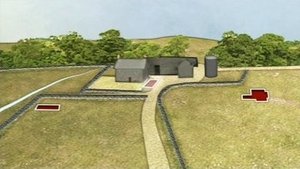
The Monks' Manor - Brimham, Harrogate, North Yorkshire
The team travels to the Yorkshire Dales to meet Chris and Barbara Bradley on their farm to uncover the remains of a monastic grange - a medieval forerunner to the grand country house, with connections to nearby Fountains Abbey. Kerry Ely is the site supervisor, and the team are joined by Jonathan Clarke (buildings archaeologist) and Mark Newman from the National Trust. Matt is "volunteered" to lead the tough life of a medieval lay brother for 24 hours.
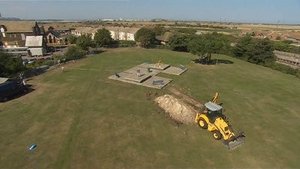
Castle in the Round - Queensborough, Kent
The team investigate the remains of Queenborough Castle on the Isle of Sheppey, built by Edward III for Queen Philippa during the Hundred Years' War. The Time Team excavate the castle mound, and opinion is divided whether this unique circular structure was built for defence or as a royal bolthole from the plague. They are joined by archaeologist Oliver Creighton, medieval historian Sam Newton and architectural historian Jonathan Foyle.
Sussex Ups and Downs - Blackpatch, near Worthing, Sussex
The team travels to what could be a Neolithic settlement in the Sussex Downs. Initially discovered by John Pull in 1923, the site is littered with remains of 6000-year-old flint mines. But Pull claimed to have discovered a second site nearby, which has so far eluded other diggers. The team are joined by archaeologist Miles Russell, pottery expert Sue Hamilton and wood specialist Maisie Taylor. Neolithic lifestyle specialist Jacqui Wood makes some elderflower tea and threatens to make a new hat for Phil. Phil and Francis demonstrate the relative merits of mesolithic and neolithic axes.
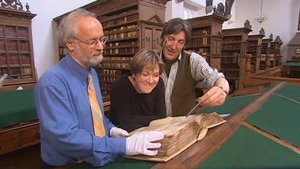
Birthplace of the Confessor - Islip, Oxfordshire
The team descends upon the sleepy Oxfordshire village of Islip, the birthplace of Edward the Confessor, for one of the most challenging and intriguing excavations of the series. They are joined by architectural historians Sam Newton and Jonathan Foyle. Helen and Sam visit Westminster Abbey to view original documents relating Edward to Islip.
Early Bath - Ffrith, Flintshire
The team descend on the village of Ffrith in North Wales to discover if it is built on the remains of a Roman mining town. The main street runs along the route of Offa's Dyke. The dig involves excavating two gardens and the playing field, but the team are frustrated in their attempts to find a Roman bath house. The team are joined by archaeologist Chris Martin and historian David Mason.
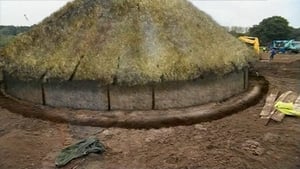
The Taxman's Tavern - Alfoldean, Horsham, Sussex
Time Team travel to Alfoldean in West Sussex to uncover a Roman mansio or stopping-place, and hence the story of the whole settlement. The dig takes place in ploughed fields on both sides of the A29, or what the Romans knew as Stane Street. But atrocious weather and the sheer scale of the site push the team's resources to the limits. They are joined by Roman Sussex specialist Miles Russell and archaeologist Mike Luke. Phil gets a new hat. They are visited by pupils from the nearby Christ's Hospital School. Farrier Cliff Barnes uses the school forge to make hipposandals - precursors of the modern horseshoe.
Scotch Broch - Applecross near Skye, Scottish Highlands
Tony and the team journey to Applecross in the north west of Scotland to excavate a broch, a monumental dry-stone tower that was one of the largest Iron Age structures in Britain. But they are hampered by stony soil and a massive overhead power line. They are joined by Scottish Iron Age specialists Ian Armit, Andy Heald, Cathy Dagg, Noel Fojut.
Finds on the Fairway - Isle of Man
The team battle the tail end of Hurricane Gordon to investigate the last keeill standing, preserved beneath a golf course on the Isle of Man. A thousand years ago the island was dotted with these keeills, or small stone chapels, most of which have completely disappeared. Mick, an avowed enthusiast for early Christian buildings, is in his element. Sensational finds keep coming, including perfectly preserved plaited human hair, and a specimen of Ogham script. The team are joined by local archaeologist Andy Johnson, keeill expert Nick Johnson, and Viking specialist Dawn Hadley
There's No Place Like Rome - Blacklands, near Frome, Somerset
The team are in Somerset to investigate the remains of a small Roman villa, dating back to just after the time of the Roman invasion in 43 AD. But previous excavations suggest it was occupied by local inhabitants rather than Roman invaders. Could it have been built on the site of an earlier, Iron Age settlement? The team are joined by Roman specialists John Creighton and Tom Moore; and Claire Ryley makes an authentic period garden. Members of the Stranglers put in a surprise appearance.
School Diggers Medieval - Hooke Court, Dorset
The team are in Hooke Court, Dorset to investigate a moated manor house with a mysterious past. Now used as a school, the grounds contain remains of buildings from the past 500 years and as the trenchers begin their work, the finds start to pile up. Though they are particularly looking for evidence of the Civil War, there are signs of activity from several different periods, including medieval and Tudor. The team are joined by historians Sam Newton and Jonathan Foyle. The school's pupils get involved in all aspects of the dig. As usual, Stewart has his own ideas about the site, and is skeptical about the idea of a moat.
The Druids' Last Stand - Amlwch, Anglesey
Time Team are in the Island of Anglesey in North Wales, investigating a system of earthworks, not noticed until 2006 when identified by a light aircraft. Is it Iron Age or Roman? Though the locals believe that the ancient sect of the Druids was active in this area, the team are struggling to find anything that has not been ploughed away. But towards the end of the dig they make a completely unexpected find. The team are joined by Ken Brassil of the National Museum Wales. Using traditional techniques, local archaeologists make a wicker man, with a strange resemblance to a member of the team.
Sharpe's Redoubt - Sandgate, Kent
The team investigate the remains of Shorncliffe Redoubt, the first fort built to defend the English south coast from invasion by revolutionary French forces in the 1790s.
A Port and Stilton - Stilton, Cambridgeshire
The team visit a site near the Roman road of Ermine Street, where a clutch of Roman objects has been discovered. But field-walking has also produced Anglo-Saxon artefacts, and it becomes apparent that the site had more historical activity than first anticipated. Unlike today, the terrain would have been largely boggy and marshy. The archaeology increasingly points to a Roman industrial site with strong evidence of pottery manufacture and export. But after the Romans left, it may have taken on an important monastic role - much to Mick's delight. The team attempt to reproduce a Roman kiln. Finally, towards the end of day three, John's geophysics uncovers a possible neolithic enclosure. They even find time for cheese tasting, though Stilton is not actually the place where Stilton cheese is made. They are joined by Philippa Walton from the PAS, and Ben Robinson of Peterborough Museum.
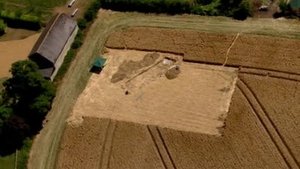
A Tale of Two Villages - Wicken, Northamptonshire
The team descend on the village of Wicken to investigate the local history. Digging in residents' gardens and surrounding fields, the team uncover a mysterious church, an ancient burial ground and evidence of a Saxon community.
No Stone Unturned - Warburton, Greater Manchester
The team arrive at a field outside Cheshire where metal detectorists have made several valuable finds in the past, hinting the site was once a very active Roman settlement. However, the complete lack of finds causes serious concern amongst our intrepid explorers. They are joined by Mike Nevell from the University of Manchester, Roman historian David Shotter, and Robert Philpott from Liverpool Museum. Archeometallurgist Andrew Lacey fashions a simple Roman snake bracelet. Famously, this is the episode where Tony declares "We've done what we always threatened: after 160 programmes, we found - nothing."
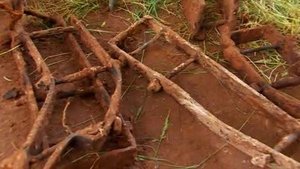
The Domesday Mill - Dotton, Devon
Time Team have never excavated a watermill before. Despite the fact that they were plentiful in historic times, these features have been under-researched. Heading to the River Otter in Devon, the team excavate a site dating back at least to the Domesday Book of 1086, yet the last mill building on the site was pulled down as recently as the 1960s. They are joined by Martin Watts (mill historian), industrial archaeologist Mike Nevell, and Finds specialist John Allan. Tony visits the working mill at nearby Otterton.
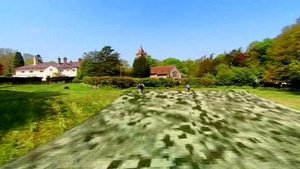
The Cheyne Gang - Chesham Bois, Buckinghamshire
Archaeologists in Chesham in Buckinghamshire believe they've found the remains of a medieval building under the manicured lawns of a Georgian house.
Road to the Relics - Godstone, Surrey
A local metal detectorist has been visiting the same field in Godstone in Surrey for the past 15 years, and in that time has discovered a huge collection of Roman finds. Around 600 coins, many of them of high value, have been recovered from the field, as well as a collection of brooches and other more unusual items, including what looks like a metal sceptre handle. Local archaeologists believe that the number and value of the finds means that they may have been deliberate offerings, pointing towards a possible Roman temple or religious site. The possible sceptre handle is similar to ones that have been found at another Roman religious site nearby and may have been used by priests. The site is positioned close to a Roman road connecting London to the south coast and has never been excavated, although English Heritage did commission a geophysics survey. Local archaeologists have been wondering what lies beneath the surface for many years, and called in Time Team to help them find out.
The Abbey Habit - Poulton, Cheshire
Tony Robinson and the team travel to the Welsh border in search of the abandoned Poulton Abbey that was once briefly used by Cistercian monks. Mick is delighted to be researching his favourite subject, monastic history. Though local archaeologists have found a chapel and plenty of other remains (including skeletons), there is no sign of the abbey. As the hunt drags on without any major progress, some of the team come up with a controversial theory. The team are joined by Mike Emery and Alan Wilmshurst from the Poulton Research Project, architectural historian Jonathan Clark, local historian Alan Thacker, and Finds specialist Debbie Klemperer.
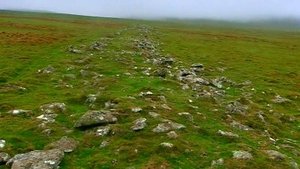
In the Shadow of the Tor - Bodmin Moor, Cornwall
The Team descend on the bleak, beautiful landscape of Bodmin Moor to face one their biggest challenges yet. The dig aims to date a possible Bronze Age village of stone houses. But alongside the village is a vast and mysterious 500-metre-long stone structure. The team are joined by Peter Herring of Cornwall Heritage Trust and environmental archaeologist Ben Gearey.
Pugin - The God of Gothic
Tony Robinson talks us through the renovation of, perhaps, one of the most important homes ever built: Augustus Pugin's home in Ramsgate. In the mid-19th century, Pugin reinvented a medieval style of architecture that became known as Gothic Revival. Best known for his work on the Houses of Parliament, he built the Grange in Ramsgate in the 1840s using his own money and with, as he put it, "not an untrue bolt or joint from foundation to flagpole". Amazingly, the house was about to be destroyed in 2004 when the Landmark Trust set about restoring it. Time Team follows the transformation of the property and visits other Pugin creations around the country. It promises to be an intriguing mix of Grand Designs and Restoration - what could be better?
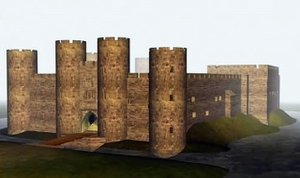
Gold in the Moat - Codnor Castle, Derbyshire
The crumbling ruins of Codnor Castle are a sad remnant of the imposing home of the De Grey family - knights who saw action in almost every important medieval battle including the crusades and Agincourt. Today Codnor Castle lies in ruins and there's almost nothing known of how it looked in its prime. As the remains above ground get an overdue renovation, the Time Team risk the dangers of hidden mine shafts in the Derbyshire coalfields to dig into the heart of a building that once dominated the landscape to trace the castle's history. It lives up to the team's hopes as they strike gold with a 600-year-old gold noble coin as well as uncovering a huge round tower and, for the first time in the history of the programme, a drawbridge.
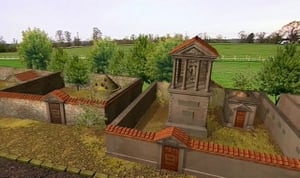
Street of the Dead - Binchester, County Durham
Tony and the team tackle a huge Roman fort in County Durham. The stronghold was part of the defence of Dere Street, the main Roman road from York to Hadrian's Wall. The fort has fine mosaics and preserved rooms, but the Team have just three days to find out everything they can about the 'vicus', that's the civilian settlement around the fort, vital for the smooth running of the military machine and providing for the pleasures of the men garrisoned there. However, they soon discover something even more exciting during the dig - a series of military mausoleums, the first discovery of its kind for over 150 years. They also discover the remains of food eaten by the descendants of the dead during ritual meals.
Bodies in the Dunes - Barra, Western Isles
The Team travel to the windswept island of Barra, 50 miles off the west coast of Scotland, for a unique rescue dig. This Hebridean outpost is famous for its strip of unusually fertile sand dunes all round the coast, land that has been home to settlers for the last 4,000 years. When a storm ripped apart one of the dunes, it revealed Bronze Age graves and the remains of ancient houses. The team must also work in the face of the fierce Barra winds to preserve a collection of Iron Age ornaments before they become lost forever, including the remains of a cooking pot, and tools crafted from animal bones and whale rib.
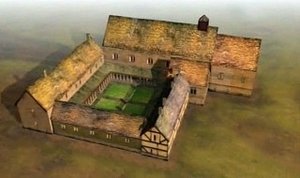
The Naughty Nuns of Northampton - Towcester, Northamptonshire
A Northampton family, the Colecloughs live on the site of a 900-year old nunnery with a rather fruity past, which was at various times accused of witchcraft, begging and debauchery. The burial of a much loved family pet provides the curious starting point for an investigation. When eight-year-old Amy Coleclough's cat "Paintpot" died and her father dug a grave, he uncovered a large old wall. So Tony and the team dig up their garden, including a mysterious sarcophagi hidden there.
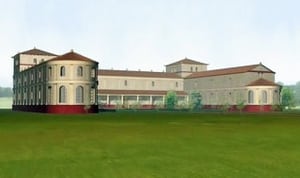
Mysteries of the Mosaic - Coberley, Gloucestershire
Tony Robinson and his team unearth the secrets of a Cotswolds field. Hundreds of Roman coins and bits of masonry have been found on this land but it's the chance discovery of a piece of mosaic floor that has really got the archaeologists excited. The great and the good of Roman Britain built their posh houses in the Cotswolds, a sort of ancient stockbroker belt.
Blitzkreig on Shooter’s Hill - South London
The Team delve into the very recent past to uncover the hidden archaeology of the biggest British battle that never was: the defence of Britain against a Nazi invasion in 1940. Along the busy main roads and in the quiet back gardens of a London suburb they uncover evidence of anti-tank weapons, secret bunkers and massive flame throwers.
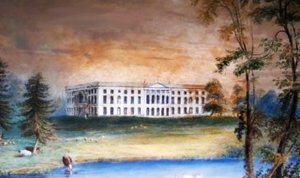
Keeping Up with the Georgians - Hunstrete, Somerset
The team descend on a field just outside Bath to investigate the remains of what could have been one of the country's grandest Georgian houses. An impressive set of stone arches is all that remains of the house built 200 years ago by local MP Sir Francis Popham, but a couple of paintings show the building in its prime.
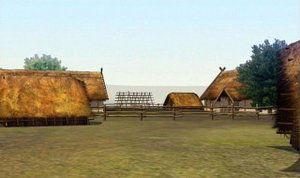
Saxons on the Edge - Stonton Wyville, Leicestershire
An unassuming field in Leicestershire provides the team with a prize that has eluded them for 15 years. In a first for the programme, Tony Robinson and the team finally uncover the rarest of archaeological finds: an Anglo Saxon settlement and, in an attempt to discover the true origin of Britain's most famous Wessex Man, Phil Harding undergoes a DNA test to establish where his ancestors came from.
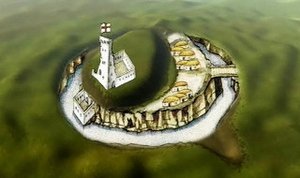
Fort of the Earls - Dungannon, Northern Ireland
The team visit Northern Ireland to locate one of the most important sites in Anglo-Irish history. A hilltop castle above the city of Dungannon, stronghold of the powerful O' Neill clan, was seized by English forces in 1602, setting off events that would cause unrest in the two countries for centuries to come, the same hill was a top secret British Army base for the last 50 years.
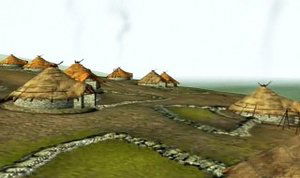
From Constantinople To Cornwall - Padstow, North Cornwall
Cornwall is probably not the first place that springs to mind when thinking about the Roman and Byzantine Empires but in a field overlooking a cove, just a mile down river from the famous Cornish village of Padstow, locals have picked up a wealth of 1,500-year-old pottery and metalwork from as far away as North Africa and Turkey. Geophysics results suggest an Iron Age village may have once been located on the site, but archaeologists think the cove may have also been a port for Mediterranean traders. The team dig for evidence which will support the theory, and after three days of work and initial difficulties, they believe they know how the site looked in its prime.
Five Thousand Tons of Stone - Hamsterley, County Durham
The Time Team travel to County Durham to investigate the origins of a mysterious large stone structure which has had locals baffled for centuries. The stone structure is known locally as The Castles, its five-metre thick walls enclose a space the size of a football pitch.With guesses ranging from an Iron Age farm to a Roman prison, Tony Robinson and the team attempt to come up with a definitive answer.
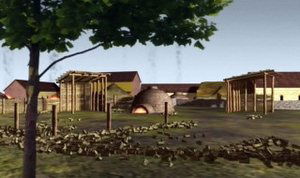
The Romans Recycle - Wickenby, Lincolnshire
Tony Robinson and his intrepid team of archaeologists head off the beaten track in Lincolnshire to discover why a metal detector enthusiast has discovered hundreds of Roman and Iron Age artefacts in a muddy field. Add to that the mysterious Roman columns strewn around the surrounding village and the team have a challenging three days to come up with some answers. As the dig progresses, the evidence mounts to suggest that the local Roman population were conscious of the need to recycle.
Hunting King Harold - Portskewett, South Wales
For the final episode of the 2008 series the team head to the village of Portskewett in South Wales to investigate a field which is intriguingly named Harold's Field. Local legend has it that King Harold built a hunting lodge there the year before he lost the Battle of Hastings. The field is a mass of big earthworks and historical documents do record Harold building a lodge somewhere round the village of Portskewett. Within minutes of digging, the team discover that the site was not confined to just Harold and the Saxon period, having been used since late Roman times until well into the Middle Ages.
The Trouble with Temples - Friars Wash, Hertfordshire
Time Team has never found a Roman temple. But a 30-year-old photograph clearly shows double square cropmarks in a field. Surely this time they will strike lucky? The trouble is, the site may have suffered plough damage. Francis takes charge. Though initial excavations are encouraging, John and Stewart are puzzled by a geophysical anomaly. Including a tessellated pavement and a coin hoard, a picture gradually emerges of not one but four temples - in fact a whole complex of buildings. It proves to be one of the most important excavations in Time Team history.
The Wedding Present - Scargill Castle, County Durham
The Team pieces together the history and the layout of a very special wedding present – Scargill Castle, in the remote wilds of County Durham.
Heroes’ Hill - Knockdhu, County Antrim
Working with archaeologists from Queen's University in Belfast, the Team takes up the challenge to unlock the prehistoric secrets of the headland at Knockdhu, County Antrim.
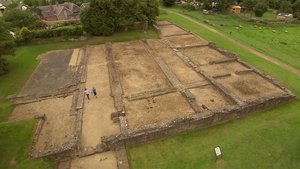
Toga Town - Caerwent, South Wales
Caerwent is the best-preserved Roman town in Britain. Laid out on a grid pattern, it has 20 blocks within its walls, which still stand at heights of up to five metres in places. Previous excavations have uncovered roads, temples, shops, baths, houses and villas, as well as the forum and basilica, the town's political centre.

Blood, Sweat and Beers - Rise Hill, Cumbria
Time Team visits the Yorkshire Dales to investigate the Risehill camp settlement, inhabited by the Victorian railway navvies during the construction of the Settle-to-Carlisle railway. On a wind- and rain-swept Yorkshire moor – 'the most exposed site Time Team has ever dug on,' according to Tony Robinson – lie the remains of a settlement built by a tough, nomadic community that existed on the very edge of society.
Buried Bishops and Belfries - Salisbury Cathedral, Wiltshire
Time Team gets a once-in-a-lifetime opportunity to dig in the hallowed grounds of Salisbury Cathedral – in Phil Harding's home town. In 2008, Salisbury marked the 750th anniversary of the consecration of its cathedral. At the end of September the city played host to Time Team, who had been given the unique opportunity to investigate some of the lost architectural treasures of this magnificent building.
Anarchy in the UK - Radcot, Oxfordshire
The Team are in Radcot, Oxfordshire, where they hope to uncover a long-lost fortress built in the 12th century during one of the bloodiest episodes of English history. The tiny hamlet of Radcot in Oxfordshire stands on a strategic crossing on the river Thames. Competing armies have fought over control of the crossing from at least medieval times through to the English Civil War.
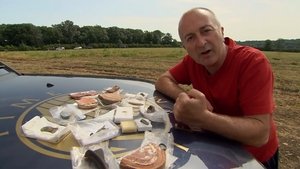
Mystery of the Ice Cream Villa - Colworth, Bedfordshire
The Team are invited to investigate a Bedfordshire field by a group of amateur archaeologists who have found countless pieces of Roman pottery, coins and building material over the years. In a field next to a science park in Colworth, Bedfordshire, a group of amateur archaeologists have turned up a huge collection of material dating back almost 2,000 years.
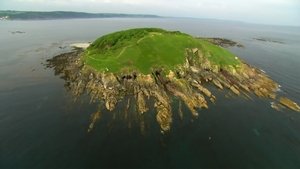
Hermit Harbour - Looe, Cornwall
Legend has it that Jesus Christ himself played on the pebble beach at Looe Island (also known as St George's Island), about one mile off the south Cornwall coast near Looe. It is a story that probably originated when the island was being established as a place of pilgrimage to rival St Michael's Mount further to the southwest.
Called to the Bar - Lincoln’s Inn, London
The Team visits Lincoln's Inn, London where they have been asked to investigate the remains of a 13th-century palace that belonged to Henry III's Lord Chancellor. There were only a few areas within Lincoln's Inn where any excavation could take place. As well as it not being possible to dig under the other historic buildings, a huge London plane tree precluded any excavation that would threaten its root system.

Beacon on the Fens - Chapel Head, Cambridgeshire
Over the years, farmers working the fields have found large quantities of worked stone, medieval tiles and even two shelly limestone columns, adding credence to the local belief that a medieval chapel once stood here. Time Team visits the cold and windswept Chapel Head, in the Cambridgeshire Fens, to see if a medieval chapel did once stand there.
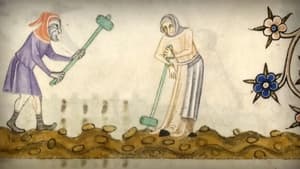
The Hollow Way - Ulnaby, County Durham
Time Team sets out to unearth the secrets of the deserted medieval village of Ulnaby in Durham. The challenge was to tell the story of a whole lost village – a once-thriving rural world
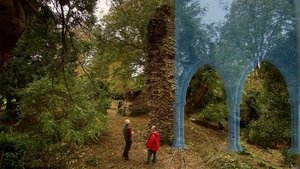
Skeletons in the Shed - Blythburgh, Suffolk
Tony Robinson and the Team travel to the picturesque expanses of the Suffolk coast to investigate a very special back garden. When the new owners of a house in Blythburgh explored their potting shed they were shocked to discover a cupboard full of human skulls.
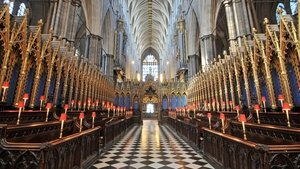
Corridors of Power - Westminster Abbey, London
In the first episode of the new series, Tony Robinson, Professor Mick Aston and the Team investigate one of Britain's greatest historic landmarks: Westminster Abbey. Surrounded by the sights and sounds of Parliament Square, the archaeologists have three days to pin down the location of a lost sacristy, a stronghold that was built by Henry III almost 800 years ago and is said to have housed the biggest collection of treasure this side of the Alps. Under the watchful eye of the Abbey's clergy and numerous tourists, the diggers' attempts to find this important building are continually thwarted by the driving London rain and centuries of later building work.
A Saintly Site - Isle of Mull, Inner Hebrides
Time Team descend on the Isle of Mull at the invitation of two local amateur archaeologists to investigate a mysterious set of earthworks in a forest near Tobermory. Could they be the remains of a chapel from the time of St Columba?

Bridge over the River Tees - Piercebridge, County Durham
Tony Robinson and the Team get their feet wet as they examine a stretch of the River Tees where local divers have discovered more than 2,000 high-quality Roman finds. The river flows past one of the most impressive Roman forts in northern Britain, and over three days the archaeologists cast their net far and wide investigating the buildings, roads and structures around this strategic crossing. However, the big challenge is working out what was going on in the middle of the river, where most of the finds came from, and that means a variety of Time Team's finest squeezing into wetsuits and braving the fast flowing river Tees.
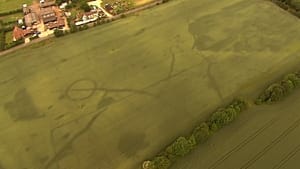
In the Halls of a Saxon King - Drayton, Oxfordshire
In Sutton Courtenay Tony Robinson and the Team investigate a set of buildings once occupied by Anglo Saxon royalty. It's the rarest of archaeological sites and uncovers the biggest Saxon building ever discovered in Britain. Aerial photography of an apparently featureless Oxfordshire field revealed crop marks that suggested to archaeologists it was once the site of an impressive collection of 1,400-year-old buildings; but Time Team's digging expertise was needed to verify this. The trenches are big and the archaeology complicated but slowly the Team begin to build up a picture of life here over 1,000 years ago, with the help of heroic Saxon poetry. As well as stunning finds and the perplexing possibility that they have uncovered an Anglo Saxon totem pole, the archaeologists also discover a culture where heroism, story telling and drinking go hand in hand, and learn the finer points of how to insult your colleagues in Old English.
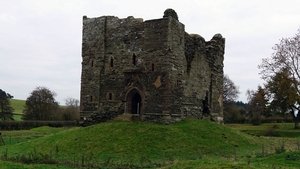
The Massacre in the Cellar - Hopton Castle, Shropshire
Tony Robinson and the Team visit the remains of Hopton Castle in Shropshire. Although it's picturesque, it was the site of a series of gruesome battles that took place at height of the English Civil War, when a Royalist force laid siege to a small garrison of Parliamentarians inside the castle. The Team use contemporary accounts and the evidence from their own trenches to separate fact from propaganda and piece together a blow-by-blow account of these violent days in 1644. The dig immediately produces evidence of battle. Over three days the archaeology begins to build up a compelling story of how the defenders fought off two attacks, killing hundreds of Royalists, before finally succumbing to the greater numbers of their enemy.
Potted History - Mildenhall, Wiltshire
Time Team visits the heart of Wiltshire for one of their most ambitious projects ever: to investigate an entire lost Roman town. Hidden under acres of wheat, Cunetio would once have been a bustling market centre. It's also the place where Britain's largest ever coin hoard was found. In the 1970s a pot containing 55,000 Roman coins was discovered, and one of the archaeologists called in to deal with it was Time Team's own Phil Harding. Now, 30 years later, he's back to dig this massive site and to find out how much effort is required to bury 55,000 coins. Over the three days, the scale of the site pushes the Team to the limit. Hampered by driving rain, the archaeologists battle to make sense of trenches that contain hundreds of years' worth of archaeology, while the geophysics team make almost half a million readings to complete the biggest survey ever recorded on Time Team.
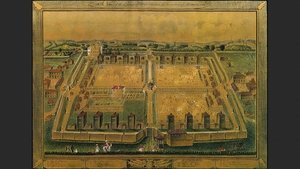
Death and Dominoes: The First POW Camp - Norman Cross, Cambridgeshire
The Team visit Norman Cross in Cambridgeshire, a site that is over 200 years old and housed the world's first ever purpose-built prisoner of war camp. It has never before been excavated and the team are keen to unearth the final resting place of almost 2,000 prisoners who died at the camp, but what they discover takes them all by surprise.
Something for the Weekend - Tregruk Castle, Llangybi, Monmouthshire
Tony Robinson and the Team find themselves lost in the mists of a Welsh forest as they investigate one of the biggest castles in Britain. Their task is to investigate the castle's mysterious interior and find out how this impressive structure fitted into a network of fortresses built by powerful English barons 700 years ago.
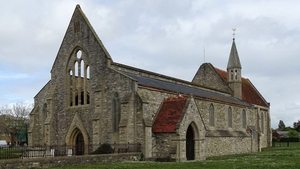
Governor's Green - Governor's Green, Portsmouth
The Team visit Portsmouth to try and uncover one of the city's oldest buildings - a medieval hospital. But after three days of bone-chilling weather and confusing archaeology can the Team work out what stood on Governors Green over 500 years ago?
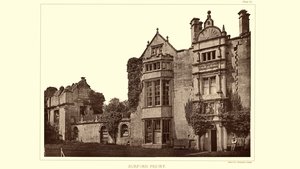
Priory Engagement - Burford, Oxfordshire
The Team descend upon the Oxfordshire town of Burford to respond to very special challenge - from Time Team's own Professor Mick Aston. They have just three days to uncover a medieval hospital under the front lawn whilst searching for Anglo Saxons in the vegetable garden.
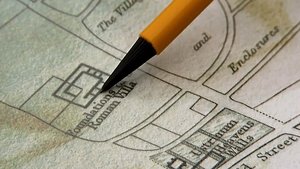
There's a Villa Here Somewhere - Litlington, Cambridgeshire
But has 18th-century quarrying destroyed all meaningful evidence? Ben Robinson supervises this dig in the absence of Mick Aston. The end results are shown to the appreciative villagers.
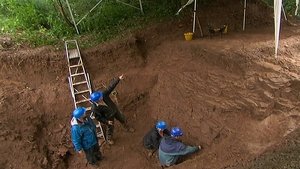
Commanding Heights - Dinmore Hill, Herefordshire
Tony and the Time Team climb a remote Herefordshire hill to investigate one of the biggest prehistoric sites ever featured. Was Dinmore Hill the site of a vast Iron Age hill fort? Needless to say Stewart doesn't think so. He is going with a much earlier cross-ridge dyke. To prove it one way or the other they need dateable finds. But the dig is hampered by torrential rain. Despite this they uncover a huge, magnificent ditch, which must have been dug by thousands of people during the Iron Age. The team are joined by historian Bettany Hughes, Hereford county archaeologist Keith Ray and environmental archaeologist Mike Allen.
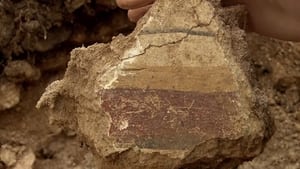
Rooting for the Romans - Bedford Purlieus Wood, Cambridgeshire
An eagle-eyed forest ranger spotted bits of Roman building poking out from the forest floor in Cambridgeshire's Bedford Purlieus Wood.
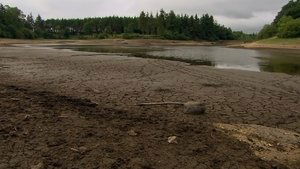
Reservoir Rituals - Tottiford Reservoir, Devon
Tony Robinson and his team celebrate their 200th dig. Jane Marchand from Dartmoor National Park Authority was alerted by a walker to standing stones peering out of an East Devon reservoir at low level. This is Francis Pryor's dream site, but Mick has also been interested in Dartmoor for some time. They have stone circles, stone rows and cairns apparently dating from 3000 to 1500 BC. There is a central mound which interests Francis, and which Phil thinks is Stone Age, thus pre-dating the other monuments. But the cairns may be recent, throwing into doubt the dating of the other features. This is cultivated farmland, atypical of Dartmoor's usual bleak landscapes. John is dubious about getting any meaningful geophysics results, but proposes nevertheless to wheel his trolley through the mud. Stewart and Henry create a 3D image of the prehistoric landscape. Phil teaches Matt his favourite activity, flint-knapping.
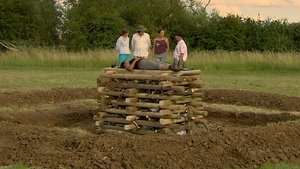
Saxon Death, Saxon Gold - West Langton, Leicestershire
The Team are intrigued by metal detecting finds and pottery scattered across some fields in Leicestershire, which suggest they're on the site of a high-status Anglo-Saxon burial ground.
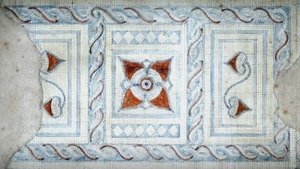
Romans on the Range - High Ham, Somerset
Tony and the Team get a unique opportunity to dig at an army firing range at High Ham in Somerset and investigate a series of mosaics first discovered 150 years ago. Everything indicates a Roman villa, though perhaps not on such a grand scale. The inhabitants may have been Romanised Britons, living from the 2nd to the early 5th century. Matt volunteers as a slave for the day. When the cold east wind sets in, Phil and the other diggers temporarily "down tools". They are joined by Martin Brown from the Defence Estates and Roman finds specialist Philippa Walton.
Hitler's Island Fortress - Les Gellettes, Jersey
Tony Robinson doesn't usually get to decide where the Team should dig, but in this episode he chooses his first ever site for investigation: a German anti-aircraft battery on Jersey. The dig director was Dr. Ben Robinson.
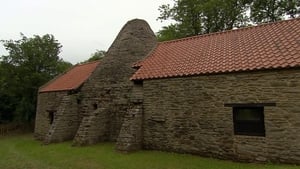
Furnace in the Forest - Derwentcote, County Durham
Dense and tranquil woodland in the County Durham countryside provides an unlikely venue for Time Team's investigation into the earliest days of the Industrial Revolution.
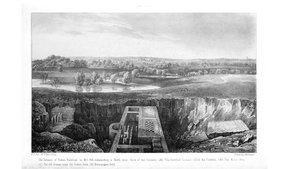
Under the Gravestones - Castor, Cambridgeshire
The Team face one of their strangest challenges ever: digging through a church graveyard in search of what could be one of the largest Roman structures ever built in Britain.
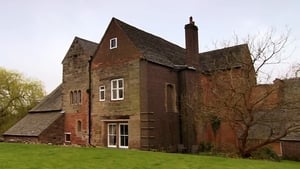
House of the White Queen - Groby, Leicestershire
Tony and the Team discover evidence of a dynasty that arrived with William the Conqueror and went on to produce two queens of England: Elizabeth I and Lady Jane Grey.
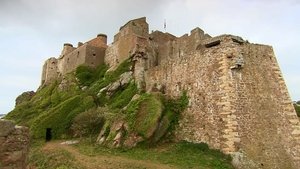
Cannons and Castles - Mont Orgueil, Jersey
Tony Robinson heads to Jersey to investigate the origins of Mont Orgueil Castle. Today's castle is a Tudor structure built on earlier foundations, and it's that early castle, built by King John, that the Team are looking for.

Mystery of the Manor Moat - Llancaiach Fawr, South Wales
Investigating an archaeologist's dream. An ancient moat has been discovered and no one knows what it once protected. Was it an early Welsh chapel, a Roman fort, a fortified cattle enclosure, or even the ancestral home of one of Wales's most important families?
Buck Mill, Somerset - Search for the Domesday Mill
When Stephen and Stephanie Fry bought a few acres of prime Somerset pasture to graze their horses, they inadvertently also bought the remains of Buck Mill, an 18th-century water mill. But as Stephanie began to look into its history, she realised that there may have been a flour mill on the site since Domesday. So she called in Tony Robinson and the Team to help her unravel the mystery of their mill. For Professor Mick Aston, the prospect was too good to turn down. As the diggers get to work uncovering the whole of the 18th-century mill, Mick takes off into the landscape to look for clues from earlier centuries. He finds more than he bargained for: the whole area was awash with the tell-tale mill streams needed to power grindstones. The dig throws up constant reminders of the importance of wheat and bread to the medieval population, and of how rich millers could become. The only spanner in the works for this industrial dig is the surprise discovery of an Anglo Saxon comb.

Dig by Wire - Gateholm Island, Pembrokeshire
Tony Robinson and the team visit a tiny windswept island off the coast of Wales. The only way to get to it is by rigging a 500-metre zip wire way above the wave-lashed rocks.
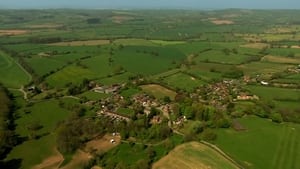
A Village Affair - Bitterley, Shropshire
There's a problem in the chocolate-box village of Bitterley in Shropshire. The village's school and cottages cluster prettily around the green. But the village church and the manor house lie more than half a mile away, on the other side of a lumpy, bumpy empty field.
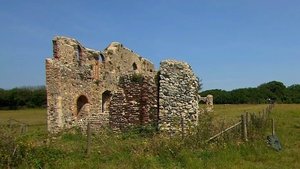
The Drowned Town - Dunwich, Suffolk
Tony Robinson and the Team head to Dunwich, a village that's literally falling off the edge of the UK. Coastal erosion has eaten away most of this once-bustling settlement, and before the whole place is lost to the sea, there's a last chance to find out more about the lost origins of this dramatically situated town. The team are joined by historian Mark Bailey, architectural consultant Richard K. Morriss, Kyle Brown from the Environment Agency, John Ette from English Heritage, and Professor David Sear.
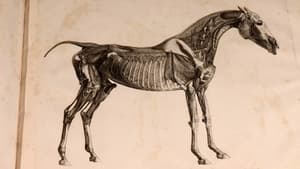
The First King of Racing - Newmarket, Suffolk
Tony and the Team visit Newmarket, the birthplace of horseracing, in search of the earliest archaeological traces of the sport of kings. They dig in the heart of the historic town, in search of the remains of King Charles II's racing stables - arguably the world's first stables dedicated to racing. Bone specialist Jackie McKinley talks about horse skeletons with Christopher Garibaldi at the National Horseracing Museum.
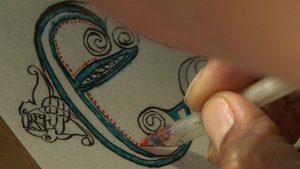
Chapel of Secrets - Beadnell, Northumberland
Tony leads the Team to the village of Beadnell on a beautiful stretch of the Northumbrian coast, to explore an unusual promontory, from which mysterious fragments of human bone have emerged over recent years. The team are joined by Anglo-Saxon historian Sam Newton, vicar Jane Wood and small finds expert Danielle Wootton. Calligrapher Suzanne Moore investigates techniques used by monks inscribing and illuminating the Lindisfarne Gospels.
A Copper Bottomed Dig - Pentrechwyth, Swansea
Two hundred years ago, Swansea was one of the wealthiest cities in the country, if not the world. The source of those riches was neither the coal nor the steel recently associated with the area, but copper.
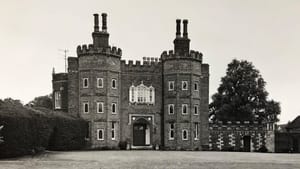
The Only Earl Is Essex - Colne Priory, Essex
Tony and the team rip up the pristine lawns of Paul Whight's stately home in search of the secrets of its illustrious former owners: the De Veres, who built a priory here in the 12th century. They are also hoping to discover the later manor house. There is a rumour that the dissolute 17th Earl, Edward, wrote at least some of William Shakespeare's plays, and could be buried here, along with his ancestors and descendants. Geophysics is now able to produce 3D images of what is underground; while Jackie has plenty of bones to look at. Alex helps stone carver Lucy Churchill to carve some de Vere symbols from blocks of rare alabaster. Among the many finds are stained glass and encaustic tiles. They are joined by Anna Whitelock from the University of London. Finally, state-of-the-art laser technology entombs Alex in his own sarcophagus.
Secrets of the Dunes - Kenfig, Bridgend
Eight hundred years ago the people of Kenfig on the south coast of Wales thought they had built the perfect town, nestled round a harbour with easy access to the sea and a sheltered position. The town appears to have been a thriving commercial success but then it vanished, leaving just a few castle walls to mark its existence.
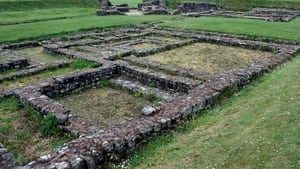
Rome's Wild West - Caerleon, Newport
The Roman legionary fort of Caerleon in South Wales is one of the most famous and best preserved Roman sites in Britain. But just outside the fort, archaeologists have discovered signs of yet another huge structure leading from the fort down to the river.

How to Lose a Castle - Crewkerne, Somerset
For generations a family of Somerset farmers have been wondering if there was ever actually a castle on top of the hill they call Castle Hill. A medieval charter refers to a Norman castle in the area, but they are not clear about exactly where and there are several likely locations. Geophysics' radar shows a large rectangular structure, possibly a keep. There is debate as to whether it was timber or stone. Raksha and Paul are excited by some 12th century pottery, indicating that the building may date from the Anarchy period rather than the Norman conquest. Moreover, a metal spur hints at a cavalry based fort. They are joined by castles expert Marc Morris, and quarryman Zak England demonstrates how to split a stone. Phil tastes mead for the first time. Mick is beginning to doubt whether the building was ever completed.
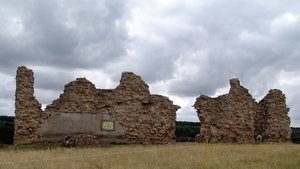
King John's Lost Palace - Clipstone, Nottinghamshire
Tony and the Team don their hunting green, pick up their bows and arrows and head for the fringes of Sherwood Forest, where residents of Clipstone village in Nottinghamshire believe some impressive ruins in a farmer's field may have played a part in the ancient tales of Robin Hood and Bad King John. Landowner Mickey Bradley hopes that the site will be preserved as a heritage site. High class stone carvings indicate what is likely to be one of King John's hunting lodges or a ceremonial hall, rather than a fully fledged palace. They are joined by Tony Rotherham, who describes the practices and terrible punishments meted out to local poachers such as Robin Hood. He was probably only one of many outlaws inhabiting these forests, which were maintained by royalty for hunting and other amusements. Tony Rotherham also demonstrates the unmaking ritual, or butchery of a deer carcass.
The Time Team Guide to Burial
Tony Robinson investigates how burial customs have changed and evolved over thousands of years of British history.
Time Team's Greatest Discoveries
Revisiting digs that produced rare and fine jewellery, gold coins, huge and intricate mosaics - and some extraordinary archaeological fakery - Mick Aston, Phil Harding and Helen Geake defend and debate their choices for Time Team's greatest discoveries.
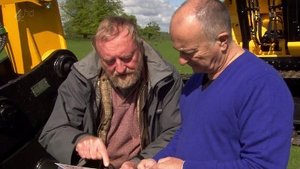
The Forgotten Gunners of WWI - Grantham, Lincolnshire
Golfers at a popular East Midlands golf club now know that a huge wooded bank beside their fairway is a rather special area of 'rough', an old machine gun firing range.
Brancaster - Brancaster, Norfolk
Featuring the Team's largest ever range and number of items from Roman Britain and their most ambitious geophysics project to date.
A Capital Hill - Ely, Cardiff
Time Team investigate a huge hill near Cardiff that may be immensely significant; was it the Iron Age capital of South Wales? Tony and the Team have just three days to answer some very big questions.
Henham's Lost Mansions - Henham Park, Suffolk
Tony and the team attempt to help Hektor Rous, the son of 'Aussie Earl' Keith Rous, work out the mysterious history of the family's Tudor country home in Suffolk.
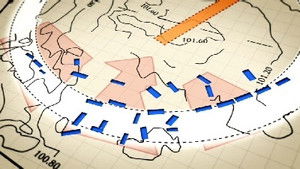
Warriors - Figheldean, Wiltshire
Tony and the team work with veterans of the war in Afghanistan, investigating the ancient Barrow Clump on Salisbury Plain, where they discover burials from 2000BC and rare Saxon finds.
Lost Mines of Lakeland - Coniston, Cumbria
Tony and the team make their way to the Lake District on an expedition that takes them both higher and deeper than they've ever been before. They are looking for a forgotten piece of the nation's industrial heritage.
Horseshoe Hall - Oakham Castle, Rutland
Oakham Castle is the best preserved 12th-century building in Britain, but there's much more to it than meets the eye.
Mystery of the Thames-side Villa - Dropshort, Oxfordshire
Roman remains have been turning up in an Oxfordshire field for decades, where a student in the 1960s believed he had uncovered a Roman mosaic.
The Lost Castle of Dundrum - Dundrum Castle, County Down
Tony and the Team search for the remains of a renegade knight's Norman castle in one of Northern Ireland's most picturesque spots.
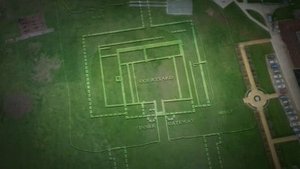
Wolsey's Lost Palace - The More, Moor Park, Hertfordshire
In the 1950s a group of schoolboys found the remains of Britain's most opulent palace under their playing field. Now Tony and the Team try to piece together this massive Tudor puzzle.
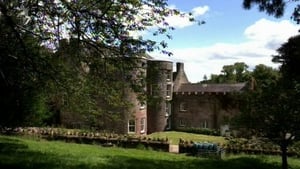
An Englishman's Castle - Upton Castle, Cosheston, Pembrokeshire
When Steve and Pru bought pretty Upton Castle in Pembrokeshire they weren't sure if it was a Victorian folly or an Anglo-Norman castle, built to defend 'Little England beyond Wales' from the locals.
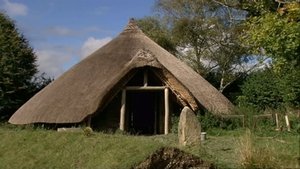
The Time Team Guide to Experimental Archaeology
Tony Robinson celebrates the 150 experiments and re-creations Time Team has conducted over 20 years, from Stone Age swords like Excalibur, to building an entire Iron Age house.
Twenty Years of Time Team
Tony takes a look back at the best bits from two decades and over 250 episodes.

Britain's Stone Age Tsunami
Tony Robinson reveals astonishing new evidence that shows how, 8000 years ago, a huge tsunami swamped the east coast of Britain.
The Secret of Lincoln Jail
Lincoln has been dominated by its castle for over 1000 years. Its high stone walls and gatehouses were built to impress the locals with Norman power, and it has housed medieval dungeons and Victorian and Georgian jails. Extraordinarily, today the castle is still a centre for justice and punishment, containing an active court. As part of a £19million refurbishment programme, a preparatory archaeological dig at the castle is revealing new secrets about the horrors of its early jails. Sir Tony Robinson and the Time Team cameras have had exclusive access to the dig. With help from Phil Harding and Alex Langlands, Tony traces the story of punishment over the course of a millennium. He discovers that, behind the walls of Lincoln Castle, the Victorians launched an experiment in prison justice that pushed human beings to their limits. Some went mad, many died, and the prison regime broke down in shocking circumstances. In this grim jail in the heart of the city, something went badly wrong.
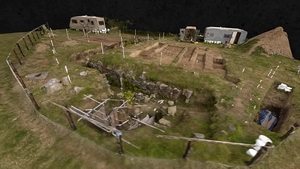
Cornwall: Day One
Time Team officially returns for its first brand new episode in a decade. New presenters Dr Gus Casely-Hayford and Natalie Haynes join team members old and new to investigate an Iron Age settlement in Cornwall with mysterious underground passages, known as a fogou. Armed with new technology, and with help from Site Director James Gossip and the Meneage Archaeology Group, Time Team have just three days to shed light on this fascinating prehistoric site on the Lizard Peninsula. Can they do it?
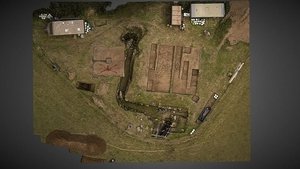
Cornwall: Day Two
The team's investigation into the Iron Age settlement continues and Natalie tries her hand at making some Bronze Age pottery.
Cornwall: Day Three
The final day of the Cornish dig and will the team be able to resolve whether they've found a barrow or some other structure? Elsewhere, there is news about Helen's coin and some exciting finds in Matt's Bronze Age roundhouse.
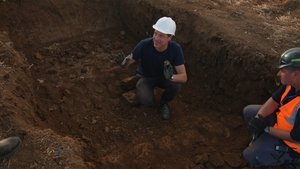
Oxfordshire: Day One
Time Team continues with its second brand new excavation in a decade. New presenters Dr Gus Casely-Hayford and Natalie Haynes join team members old and new to investigate a huge Roman villa on the estate of Broughton Castle in Oxfordshire. Armed with new technology, and with seasoned Site Director Neil Holbrook back at the helm, Time Team have just three days to shed light on this complex site.
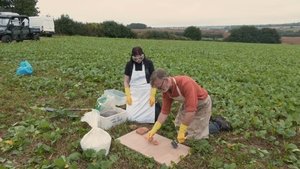
Oxfordshire: Day Two
Day Two, Matt extends Trench One in hopes of finding the north-west corner of the Roman villa, while the radar results reveal a significant structure in the south-east end.
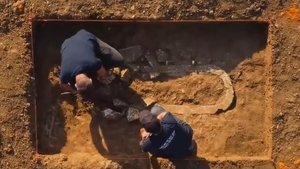
Oxfordshire: Day Three
The final day of the dig and the team re-investigate the stone sarcophagus first discovered in the 1960s. Elsewhere on the site, the trench containing the horse's head unearthed on Day Two is expanded.
Knights Hospitaller Preceptory: Day One
Time Team are at Halston Hall, Shropshire, where Stewart Ainsworth believes he's found a lost Knights Hospitaller preceptory. Is Stewart right? The team have just three days to find out!
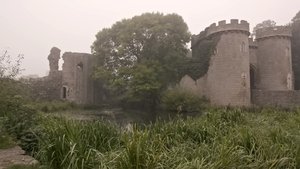
Knights Hospitaller Preceptory: Day Two
It's Day 2 at Halston Hall, Shropshire, where Time Team are trying to locate a possible Knights Hospitaller preceptory.
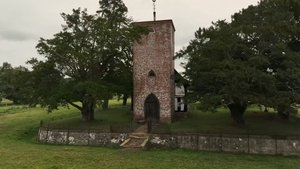
Knights Hospitaller Preceptory: Day Three
It's the final day at Halston Hall, Shropshire, where Time Team are trying to locate a possible Knights Hospitaller preceptory. Can we make sense of another complex site? Join us to find out!

Anglo-Saxon Cemetery: Day One
Time Team have been called in by Dr Helen Geake to investigate the site of an early Medieval burial in Norfolk that has unearthed some incredible finds. Can the team relocate the grave and is it the site of a larger cemetery? We have just three days to find out!

Anglo-Saxon Cemetery: Day Two
It's Day 2 in Norfolk, and Time Team have been called in by Dr Helen Geake to investigate the site of an early Medieval burial that has unearthed some incredible finds. Can the team relocate the grave and is it the site of a larger cemetery? We have just three days to find out!
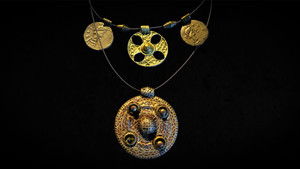
Anglo-Saxon Cemetery: Day Three
It's our final day in Norfolk, where Time Team have been called in by Dr Helen Geake to investigate the site of an early Medieval burial that has unearthed some incredible finds. Can the team make sense of this intriguing site? We have just one day left to find out!
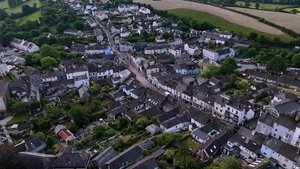
Modbury Community Dig: Day One
Time Team joins forces with the people of Modbury to uncover their dramatic history. They hunt for clues throughout the town, in attics in living rooms, and under brand new lawns. The team look for for evidence of Civil Wars that raged through the town in the 17th century. Time Team are joined by Jim Stetson, whose family sat at the heart of the community before they left for America to find their fortune making hats. Will they piece together the dramatic ups and downs of Modbury and its fascinating history? They have just three days to do it!
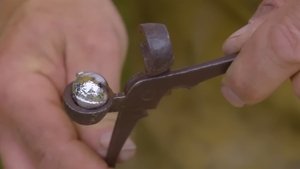
Modbury Community Dig: Day Two
Time Team joins forces with the people of Modbury to uncover their dramatic history. They hunt for clues throughout the town, in attics in living rooms, and under brand new lawns. They're looking for for evidence of Civil Wars that raged through the town in the 17th century. Time Team are joined by Jim Stetson, whose family sat at the heart of the community before they left for America to find their fortune making hats. But will they piece together the dramatic ups and downs of Modbury and its fascinating history? They have just two days left to do it!
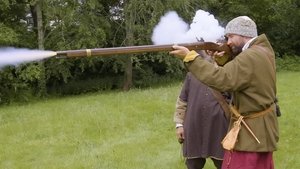
Modbury Community Dig: Day Three
Time Team joins forces with the people of Modbury to uncover their dramatic history. They hunt for clues throughout the town, in attics in living rooms, and under brand new lawns. The team look for for evidence of Civil Wars that raged through the town in the 17th century. Time Team are joined by Jim Stetson, whose family sat at the heart of the community before they left for America to find their fortune making hats. Will they piece together the dramatic ups and downs of Modbury and its fascinating history? They have just one day to do it!

Secrets of Wytch Farm: Day One
Time Team heads to Wytch Farm, in the shadow of Corfe Castle, Dorset, where Derek and Lawrence discovered two Iron Age burials back in 2021. They've called in the full team to investigate. Was this a cemetery, and how long have people been living here? Where were they living, and, above all, what were their livelihoods? Will we uncover the secrets of Wytch Farm? We have just three days to find out!

Secrets of Wytch Farm: Day Two
It's Day 2 at Wytch Farm, in the shadow of Corfe Castle, Dorset, where Derek and Lawrence discovered two Iron Age burials back in 2021. They've called in the full team to investigate. Was this a cemetery, and how long have people been living here? Where were they living, and, above all, what were their livelihoods?
Secrets of Wytch Farm: Day Three
It's our final day at Wytch Farm, in the shadow of Corfe Castle, Dorset, where Derek and Lawrence discovered two Iron Age burials back in 2021. They've called in the full team to investigate. Was this a cemetery, and how long have people been living here? Where were they living, and, above all, what were their livelihoods?

The Sutton Hoo Dig Part 1: Searching for the Origins of Sutton Hoo
In Part 1 of 3 parts following the first season at Sutton Hoo, Tony and the team get stuck into the first week of excavations, and delve into the history of the site. Tony reveals how the discovery of the great ship burial changed our understanding of Anglo Saxon society.. The Team begin to suspect that a cemetery under the Visitor’s Centre extends into Garden Field. And a strong metal detecting signal suggests to the team that they might have found the missing parts of a rare and beautiful Byzantine bucket partly ploughed up 30 years ago. Dr Helen Geake reveals her very personal connection with the site, which goes back to her student days, when she and other members of the team discovered some extraordinary burials under the other mounds in the Royal Burial ground. Dr. John Gater reveals the Geofizz that he and Jimmy Adcock did in 2021 and Stewart takes a wander through the landscape.
The Sutton Hoo Dig Part 2: Another Buried Boat?
In Part 2, the Geofizz team hunt for an anglo saxon settlement and a Hall. And they discover an extraordinary anomaly which could shed light on Sutton Hoo’s Anglo Saxon shipping history. Carenza and Dani recruit about 40 volunteers to investigate the area in a series of test pits, and Derek and Lawrence take to the water.. In Garden Field, the dig continues with more graves being identified and pieces of intriguing grave goods. The big metal detecting signal gets bigger. Derek and Helen make an exciting discovery about the fabric of the Byzantine Bucket.

The Sutton Hoo Dig Part 3: Lost Treasure Rescued!
In Part 3, The Dig Jackie McKinley rejoins the team as the Dig reaches an exciting climax in the middle of a heatwave as they discover the source of the big metal detecting signal. Tony explores some of the more extraordinary medieval execution burials found in the Royal Burial ground. The program focusses on some of the developments in Anglo Saxon craftsmanship. Hilde meets the Sutton Hoo Textiles group who are using experimental archaeology to recreate some sumptuous Anglo Saxon textiles. And the man who recreated the Bromeswell Bucket explains how it nearly hospitalised him.
The Sutton Hoo Dig Part 4: Bromeswell Bucket - The Inside Story
In the final episode of Time Team's first season at Sutton Hoo, Jackie, Naomi and Justin Garner Lahire join Sophie Courtiaud at York Archaeology and Tom Sparrow of University of Bradford team up to micro excavate the base and contents of the Bromeswell Bucket.
Season Ratings
Main Cast

Gus Casely-Hayford
Self - Presenter
Natalie Haynes
Self - Presenter
Carenza Lewis
Self - Field Archaeologist
John Gater
Self - Geophysicist
Stewart Ainsworth
Self - Landscape Investigator
Helen Geake
Self - Anglo-Saxon Specialist
Matt Williams
Self - Field Archaeologist
Derek Pitman
Self - Archaeologist
Lawrence Shaw
Self - ArchaeologistStreaming Platforms for Time Team


Trailer
Frequently Asked Questions (FAQ) about Time Team
Where can I watch Time Team streaming?
You can watch Time Team on various streaming platforms in the US: Amazon Prime Video, Magellan TV, Amazon Prime Video with Ads, Xive TV Documentaries Amazon Channel
Is Time Team available in English (dubbed/subtitled)?
Yes, Time Team is available with English audio and subtitles on most streaming platforms. Please check the availability of English dubbing on your preferred platform.
What is the plot of Time Team?
Time Team is a British television series which has been aired on British Channel 4 from 1994. Created by television producer Tim Taylor and presented by actor Tony Robinson, each episode featured a team of specialists carrying out an archaeological dig over a period of three days, with Robinson explaining the process in layman's terms. This team of specialists changed throughout the series' run, although has consistently included professional archaeologists such as Mick Aston, Carenza Lewis, Francis Pryor and Phil Harding. The sites excavated over the show's run have ranged in date from the Palaeolithic right through to the Second World War.
Who are the main actors in Time Team?
The main cast of Time Team includes: Gus Casely-Hayford, Natalie Haynes, Carenza Lewis, John Gater, Stewart Ainsworth
What is the rating of Time Team?
Time Team has received a rating of 7.1/10 based on 14 user votes.
Explore similar content:
Reviews and Comments for Time Team
No public comments have been posted about this TV series yet. Be the first to share your opinion!
Add a Comment
Log in or create an account to add a comment.





💬 Have you seen Time Team?
Share your opinion! User reviews help us create the best community of movie and TV series enthusiasts in the US.
Sign up now to leave your review and help other users discover new content to watch!