
PokMovies your movie and series manager
Log in to add movies and series to your personal list
Details for A History of the European Rural Life
A History of the European Rural Life (2024) - TV Series Streaming, Cast & Reviews
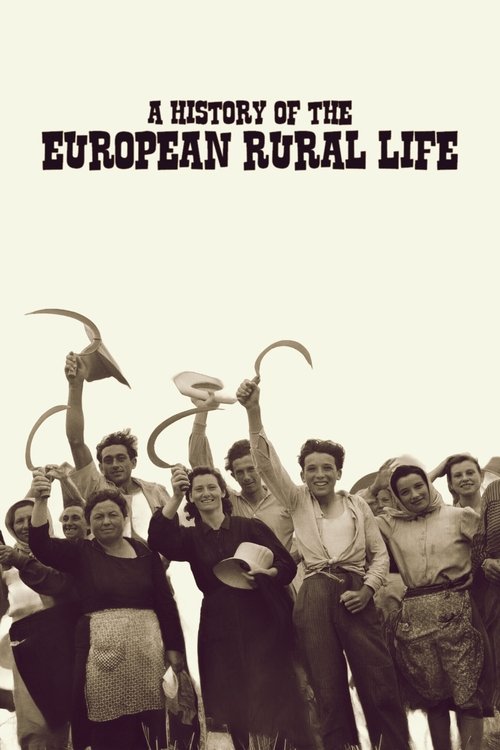
A History of the European Rural Life (2024)
A History of the European Rural Life (2024)
The history of the European peasantry, which has undergone many upheavals over the centuries: from its rise in the Middle Ages after the fall of the Roman Empire, through the oppression of the nobility and the Church, to the struggles for freedom and modernization in the present era.
Release Date:
Duration: 56 min/episode
Status: Ended
Genres: Documentary
Why Watch A History of the European Rural Life?
Highly rated by audiences with 7.5/10, A History of the European Rural Life delivers an exceptional documentary experience across 1 compelling seasons, featuring outstanding performances from Catherine Ringer and Miklós Attila Szőcs Boruss. A recent release among Documentary enthusiasts.
Quick Facts About A History of the European Rural Life
- Title: A History of the European Rural Life
- Release Year: 2024
- Type: TV Series
- Rating: 7.5/10 (2 votes)
- Genres: Documentary
Discover A History of the European Rural Life Streaming
Looking for where to watch A History of the European Rural Life online? You're in the right place! On PokMovies, you'll find all the information about A History of the European Rural Life streaming, including where to watch it legally, the full cast, user reviews, and the official trailer.
Released in 2024, A History of the European Rural Life belongs to the genres Documentary and has received a rating of 7.5/10 on The Movie Database with 2 user votes.
This TV series, completed, has 1 season. With episodes of about 56 minutes, A History of the European Rural Life offers you a viewing experience that is exceptional and has won over many series fans.
Seasons and Episodes
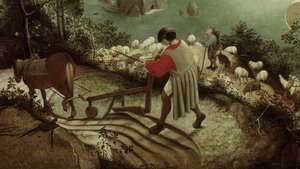
The Beginning / The Lords, and Those Who Dig
By the 6th century, the disintegration of the Roman Empire was complete: no more state, no more big cities. The European peasantry was born. A change of scale. The great Roman commercial agriculture disappeared. These first peasants, freed from the weight of the State, taxes and the obligation to feed the Empire's major cities, produced only as much as they needed. Peasant communities were freer than ever. This golden age came to an end in the 8th century. The new warrior elites imposed a return to domination, taxes, and the invention of drudgery and serfdom. The Church took part in the reconquest, tracking down the old rural cults.
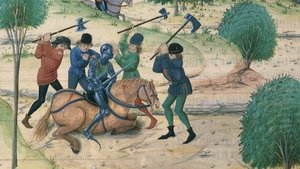
Rebellion and War / Revolutions
Around the year 1000, growth resumed in Europe. This was the product of the work of peasants, who were even more exploited and despised, especially by city dwellers who were making a comeback. The rise of commercial agriculture was based on cereals, the main source of profit for the ruling classes. The banks of the River Po and the coasts of the North Sea were drained to conquer new wheat lands. The destruction of these wetlands disrupted the peasant economy and led to catastrophic flooding, the effects of which are still felt today. In the 14th century, famine, war and plague put an end to growth. The era of the great anti-feudal revolts began, with their mystical and egalitarian overtones. From the French Jacquerie of 1358 to the German Peasants' War of 1525, all were drowned in blood.
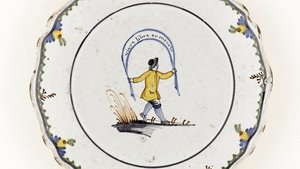
Towards Freedom / The Immobile Peasant, the Moving Peasant
Peasants don't need to know. If they knew how to read or write, they could challenge the titles of the rulers and the authority of the Church, like the Italian miller Menocchio, declared a heretic and burned alive in 1600. Peasant knowledge was just as suspect. Peasant witches, often simple bonesetters, were hunted down, accused of worshipping Satan and burned by the thousands. On the threshold of modern times, in the name of progress and profitability, the dominant classes launched an offensive against the old village solidarities. England set the example by privatizing communal lands. By depriving farmers of an indispensable resource, they were condemned to disappear. France followed a different path. Still in the majority, its peasantry played a major and little-known role in the Revolution which, in 1789, put an end to a thousand years of feudal rule.
Against the Rest of the World / Peasant Masses
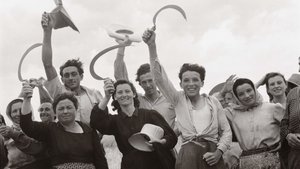
In the 19th century, Europe's farmers were finally free. But the Industrial Revolution and modernization precipitated their decline. Deserting the countryside, they left en masse for the cities. As the rural exodus gathered momentum, conservatives saw peasants as the embodiment of all traditional values. Reputed to be more obedient and hard-working than workers, they were the main cannon fodder of the First World War. Fascism and Nazism took this mystification to the extreme, invoking the eternal peasant as the guardian of soil and blood. But the real peasant is subject to the dictates of the state, technocrats and agronomists. Unaffected by political regimes, the steamroller of industrial agriculture has continued to advance ever since. Yet the peasants are still there, making other voices heard.
Season Ratings
Main Cast

Streaming Platforms for A History of the European Rural Life
Trailer
Frequently Asked Questions (FAQ) about A History of the European Rural Life
Where can I watch A History of the European Rural Life streaming?
You can watch A History of the European Rural Life on various streaming platforms in the US: Check availability on major US streaming platforms like Netflix, Amazon Prime Video, Disney+, and other legal services.
Is A History of the European Rural Life available in English (dubbed/subtitled)?
Yes, A History of the European Rural Life is available with English audio and subtitles on most streaming platforms. Please check the availability of English dubbing on your preferred platform.
What is the plot of A History of the European Rural Life?
The history of the European peasantry, which has undergone many upheavals over the centuries: from its rise in the Middle Ages after the fall of the Roman Empire, through the oppression of the nobility and the Church, to the struggles for freedom and modernization in the present era.
Who are the main actors in A History of the European Rural Life?
The main cast of A History of the European Rural Life includes: Catherine Ringer, Miklós Attila Szőcs Boruss, Massimo Montanari, Chris Wickham, Edith Peytremann
What is the rating of A History of the European Rural Life?
A History of the European Rural Life has received a rating of 7.5/10 based on 2 user votes.
Explore similar content:
Reviews and Comments for A History of the European Rural Life
No public comments have been posted about this TV series yet. Be the first to share your opinion!
Add a Comment
Log in or create an account to add a comment.





💬 Have you seen A History of the European Rural Life?
Share your opinion! User reviews help us create the best community of movie and TV series enthusiasts in the US.
Sign up now to leave your review and help other users discover new content to watch!